
Family: Betulaceae
Synonym: C. colurna jacquemontii. C. lacera
Common Name: The Himalayan Hazel, Turkish Hazel.
Local Name: Thngi (थांगी), Bhotia, Badam, Pamakhor, Khabsi, Shirol
Thngi is a medium sized shrub to deciduous tree of Western Himalayas generally found growing in woods, hedgerow and on the slopes of hills from 2200 to 3300 m. It is among the most expensive nut of this region and needs cold and hilly terrain with a few days of sub-zero temperature for optimum growth. Therefore, Himachal Pradesh, Jammu and Kashmir, Silguri, Uttarakhand & North-Eastern states of India make the best choice for luxuriant growth of this plant. In Himachal Pradesh it is seen growing in Chamba, Kinnaur, Kullu, Shimla and Mandi. However potential habitats of Thngi in HP are mostly located in the shady moist habitats of districts Kullu, Chamba, Shimla, Mandi, Kinnaur, Kangra and Lahaul & Spiti 1. It is one of the most consumed and most appreciated nut fruit which is liked and preferred all over the world. Therefore, Thngi nuts are ranked among some world famous nuts of this region like almonds, pine nuts, walnuts. However, in general the Thngi is little known to inhabitants of Indian plans except to the people of high Himalayan regions where it is used mainly by the locals, grazier and the tribes (Pangwal and Bhot) as food, fuel & fodder.
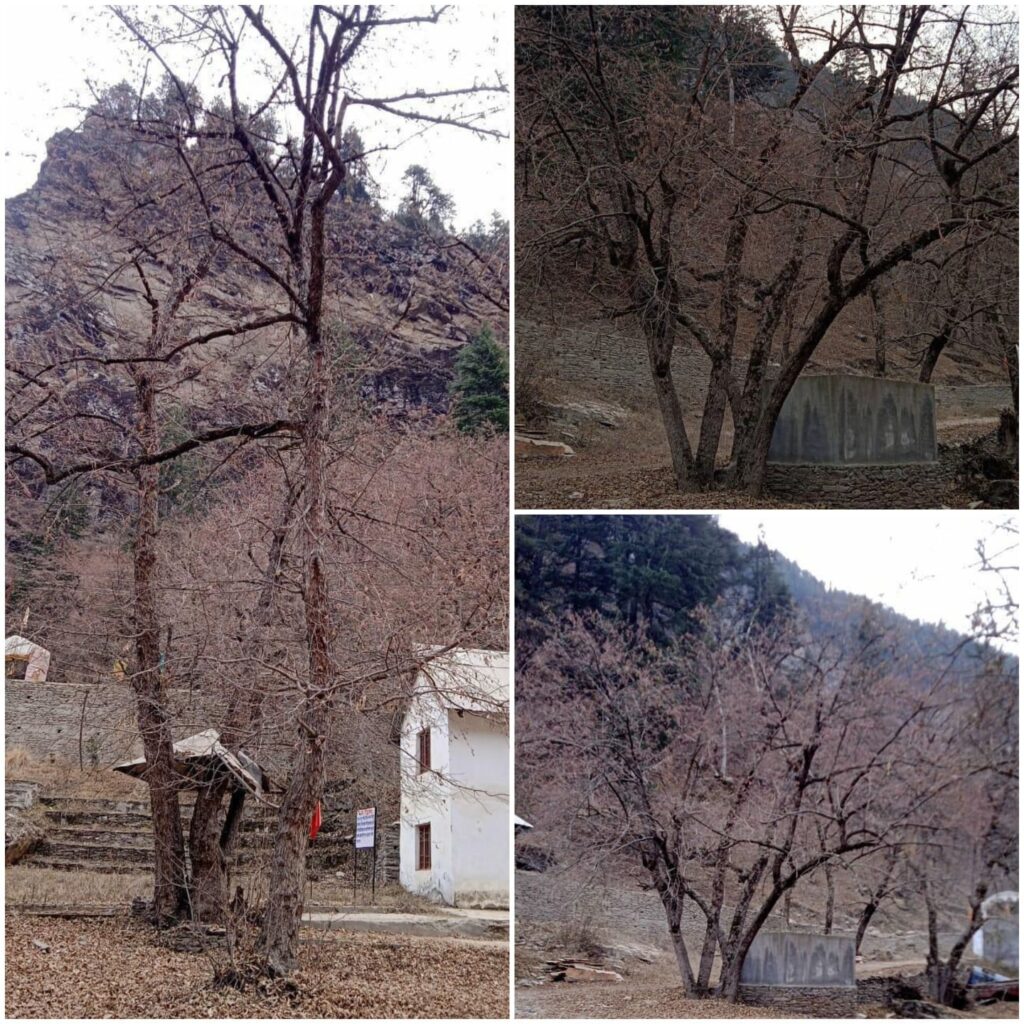
Thngi is an easily grown plant that succeeds well in most soils, but is in general is more productive when grown on soils of moderate fertility. It forms a dense thicket of erect, much-branched stem which renew itself by suckers, from the base. It can also be brought under domestication for its highly nutritious and medicinal seeds. Plants can be raised by sowing seeds which usually takes three to five years of growth to yield fruits. Other means of propagation are budding and grafting.
Thngi is a multipurpose tree for local people due to its multifarious uses as it provides not only fuel, fodder and timber but also yield edible nuts for human as well as wildlife consumption 2. thus are useful for eco-resotration too. Thngi seed makes an excellent nut for raw eating or roasted. These are also used in cakes and some traditional sweets dishes of Western Himalayas like kheer, halwa, sirra etc.The fruits (nuts) are often used with parched rice 3,4,5. The kernels are a rich source of proteins, carbohydrates, vitamins, poly-unsaturated fatty acids and other minerals like iron, calcium and potassium, etc. The research shows that hazelnuts exert strong protective influence against coronary heart problems, some types of cancer and other diseases6 .
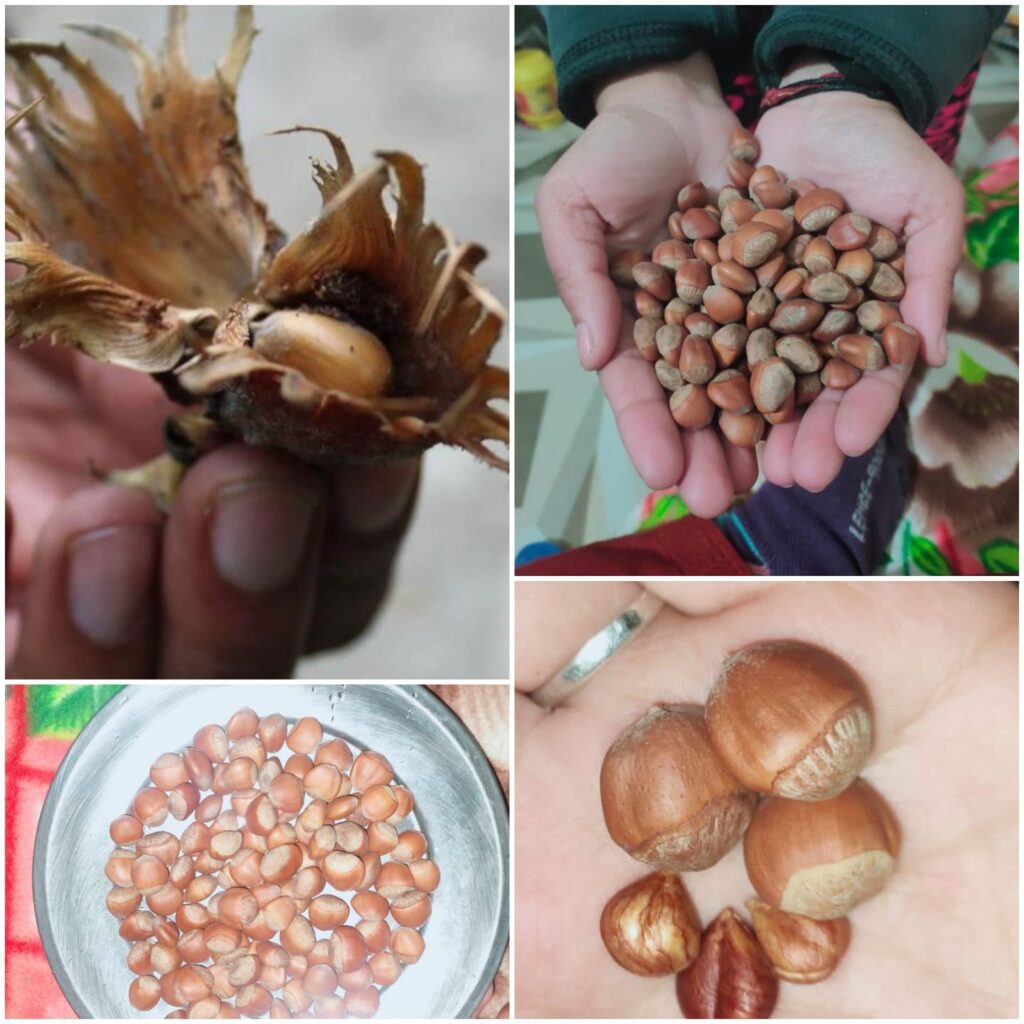
Thngi is self-incompatble tree species found in scattered groups in natural habitat. The species is facing changes in its structure, density and composition in recent years due to global warming, climate change, and anthropogenic pressure7. As it is one of the ecologically and economically important high value multipurpose tree, continued over-exploitation of its fruits and habitat degradation of the species for fodder, fuel, food and medicinal purposes from wild habitat has caused rapid depletion of Thngi from natural habitats8. So it is strongly recommended to domasticated or cultivated for socio-economic upliftment and rural prosperity.
Thngi Plant:
It is a medium sized, deciduous tree.
Bark is dark gray, thin, sometimes ex- foliating upwards.
Leaves are 3-6 inches long, membranous, ovate, acuminate, slightly lobed, doubly serrate, glabrous when mature; lateral nerves are straight, pubescent, each terminating in a large tooth.
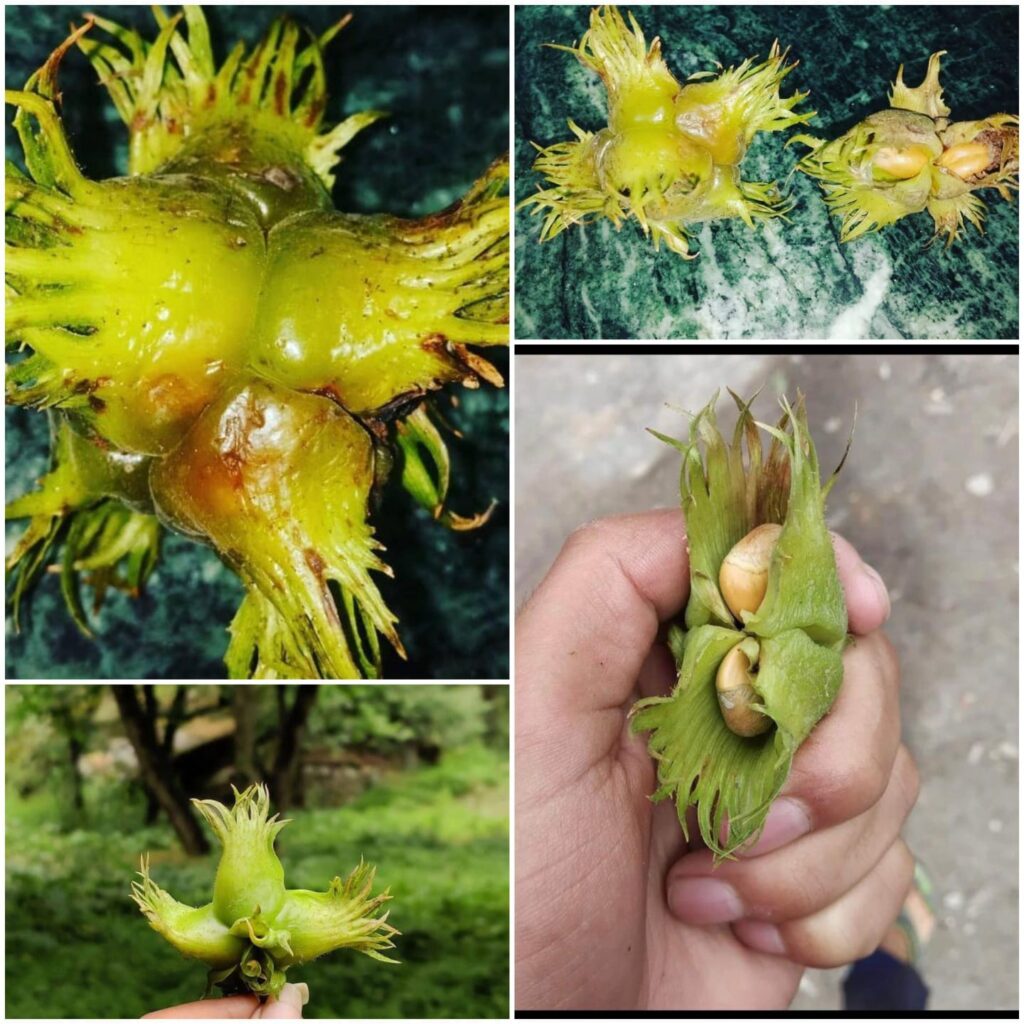
Flowers are monecious; male flowers are one in each bract; female flowers are in pairs, in the upper bracts of spike and perianth is superior.
Nut is one seeded, .5-.7 inches long, globose, compressed, hard, deep brown, and 2-3 together.
Thngi is in flower and fruits from spring to autumn season of the year. Edible seeds can be collected from July to September Seeds being high in commercial value need to be harvested sustainably by habitat rotation or by keeping some fruits on parent plant.
Edible Uses
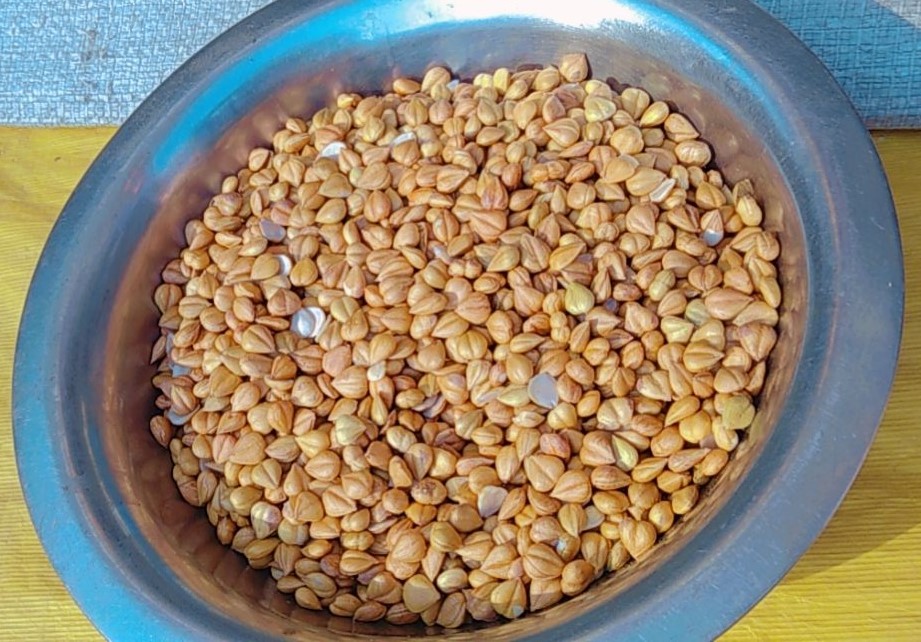
Thngi seeds are edible and taken as dry fruits. These are usually taken raw or roasted. Seeds make an excellent garnish to salad, cakes and well known traditional dishes of Western Himalayas.Seeds can be used in salad dressings, baking etc.
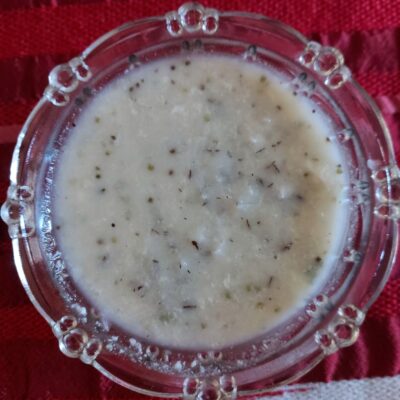
Kheer (Pudding):
Ingredients:
Rice, 250 g; milk, 1 liter; sugar, 250 g; Thngi & other grated dry fruits,100g
Method:
For preparing kheer cook whole rice with sugar in milk till they are soft then garnish the recipe with neoza and other grated dry fruits acc.to taste and serve.
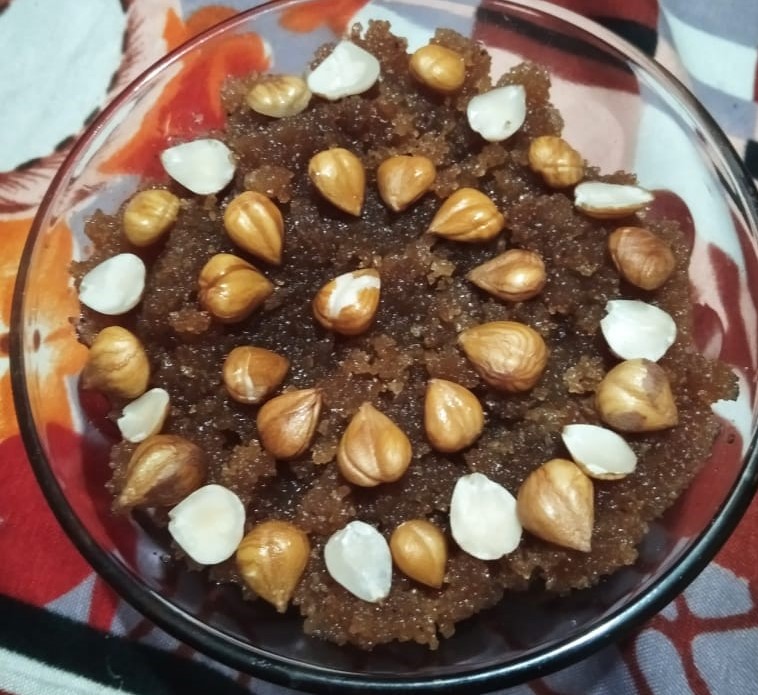
Sirra of giloye (Tinospora cordifolia),& Thngi:
Ingredient:
Powdered root, stem- bark, arial tops of giloye (Tinospora cordifolia ),100 g; Wheat sirra (starch), 100g; vegetable oil or clarified butter,250g; sugar, 250 g Thngi & other grated dry fruits,100g.
Methods:
Make paste of sirra and sugar with 3-4 glasses of water and keep it for 10 to 15 minutes to make a fine paste and sugar get dissolved completely. Put oil or clarified butter in a non-stick pan and add fine paste of sirra and sugar. Cook for 15-20 minutes by thorough stirring. Garnish with Thngi & other grated dry fruits, Now sirra is ready to serve.
Seek professional advice before treating this p;ant medicinally.
Medicinal uses:
Thngi kernels are rich source of proteins, carbohydrates, vitamins, poly-unsaturated fatty acids & minerals iron, calcium and potassium, etc and exert strong protective influence against coronary heart problems, some types of cancer and other diseases6. The seed oil massage of the species is used for relieving muscular pain 3,4,9.The extract obtained from the buds, flowers, leaves, nuts and bark by isolation and purification technique can moisturize skin, and can be used to mobilize fluid in skin tissue and drain the fluid from such tissues (which can reduce puffy eyes) when applied to the skin 10.
Other Uses:
Thngi is one of the important trees of temperate forest ecosystems. It provides provisioning, regulating and supportive ecosystem services to the human and wildlife 1. For locals it is multipurpose plant and an excellent source of fuel, fodder, medicine and timber. Being associated with oak, fir, spruce, deodar, betula, maple and walnut in natural zone and a keystone species, it also play important role in Eco-restoration . As the species is extensively lopped for fodder and fuel from wild habitat and from last few years its natural populationis in sharp decline, so there is need of both in-situ and ex-situ conservation.
Economic Value:
Thngi seeds are highly nutritious and rich in protein, minerals and comparable with Almond. The seeds collected from the wild habitat are traded in the local and regional markets at the price of 1500 to 2500 Rs/kg
References:
- Paul, S., Samant, S. S., Lal, M., & Ram, J. (2019). Population assessment and Habitat Distribution Modelling of high value Corylus jacquemontii for in-situ conservation in the state of Himachal Pradesh, India. Proceedings of the Indian National Science Academy, 85(1), 275-289.
- Gupta D, Thakur M, Shamet GS. Phytosociological Attributes of Indian Hazelnut (Corylus colurna L., Syn. C Jacquemontii Decne.): A Wild Edible Nut of Western Himalaya. Eco. Env. & Cons. 2017; 23(4):2188-2192.
- Samant S S, Dhar U and Rawal R S (1996) Natural resources use by some natives of Nanda Devi Biosphere Reserve inWest Himalaya In Proceeding of IV International Congress of Ethnobiology 8 40-50
- Pangtey Y P S, Samant S S and Rawat G S (1988) Contribution to the flora of Pithoragarh district, Kumaun Himalaya HimalRes Dev 7 24-46
- Chauhan P P, Nigam A and Santvan V K (2014) Ethnobotanical survey of trees in Pabbar Valley, Distt. Shimla, Himachal Pradesh Life Sci Leafl 52 24-39
- Richardson, D.G. 1997. The health benefits of eating hazelnuts: implications for blood lipid profi les, coronary heart disease and cancer risks. Acta Hortic., 445: 295-300.
- Gupta, S., & Sharma, M. (2016). Lean services: a systematic review. International Journal of productivity and performance management.
- Srivastava RK, Khanduri VP, Sharma CM. Structure, diversity and regeneration potential of oak dominated conifer mixed forest along an altitudinal gradient in Garhwal Himalaya. Indian Forester. 2005; 131:1537-1553.
- Faller J, Gan D, Hines M and Mangos L (2010) Magnolia extract containing compositions. U.S. Patent No. 7,744,932. U.S. Patent and Trademark Office Washington DC
- Rani S, Rana J C and Rana P K (2013) Ethnomedicinal plants o Chamba district, Himachal Pradesh, India J Med Plants Res 7 3147-3157.
Hi there, just became aware of your blog through Google, and found that it’s really informative. I am going to watch out for brussels. I’ll be grateful if you continue this in future. A lot of people will be benefited from your writing. Cheers!|
Hi, i think that i saw you visited my site thus i came to “return the favor”.I am attempting to find things to improve my web site!I suppose its ok to use some of your ideas!!|
I am not sure where you’re getting your info, but good topic. I needs to spend some time learning much more or understanding more. Thanks for fantastic info I was looking for this info for my mission.|
Heya i’m for the primary time here. I came across this board and I to find It truly helpful & it helped me out a lot. I am hoping to provide one thing back and help others such as you helped me.|
Hi colleagues, how is everything, and what you wish for to say about this article, in my view its really amazing in favor of me.
Xxx video onlyfans sex video site
Pretty component to content. I just stumbled upon your weblog and in accession capital to say that I acquire in fact loved account your weblog posts. Anyway I will be subscribing on your augment and even I fulfillment you get entry to consistently fast.
https://share.google/PkvlO1MwDVHyrjVJD
Fabulous, what a weblog it is! This webpage provides valuable information to us, keep it up.
Starburst
Wow, superb blog layout! How long have you been blogging for? you make blogging look easy. The overall look of your site is magnificent, as well as the content!
在线购买大麻用于XXX成人色情视频
The tone of this post feels easygoing and thoughtful, helping the discussion stay easy and relatable.
no deposit bonus
I like how this post stays informative without becoming too heavy, which helps make the discussion pleasant and easy to follow carefully.
купить inmode Body FX
The concise yet thorough nature of this article makes it a fantastic resource. I truly value the systematic approach you took to ensure every single point was covered clearly.
Bet Way
The focused yet complete nature of this article makes it a fantastic resource, and I truly value the organized approach you took to ensure every single point was covered in a clear and easy-to-understand manner for the readers.
bookmaker sans limite de mise
I am so glad I took the time to read through this material. The balanced perspective and neat formatting ensure that the main takeaways are immediately obvious to the audience now.
fastest withdrawal online casino canada
Finding content that strikes the perfect balance between being detailed and remaining highly readable is a rare treat, so I wanted to drop a quick thank you for sharing this excellent summary with everyone today.
casino en ligne retrait instantane
It takes a certain level of skill to present information in a way that is both informative and completely objective, and you have certainly achieved that balance perfectly with this nicely structured and carefully organized article.
meilleur casino en ligne retrait immediat
Finding content that strikes the perfect balance between being complete and remaining accessible is a rare treat. Thank you for sharing this wonderfully organized summary with us.
Листовые удобрения и их влияние на развитие растений
It is always a pleasure to find a post that respects the reader’s time by getting straight to the point while still providing all the necessary context required to fully grasp the broader implications of the subject at hand.
Шубы Турция — особенности кроя и посадки
Hello! Would you mind if I share your blog with my myspace group? There’s a lot of folks that I think would really appreciate your content. Please let me know. Cheers|
I like how this post keeps the discussion thoughtful and organized while also maintaining a smooth conversational tone that feels comfortable and approachable throughout.
lista casinos cuenta rut