
Family: Rutaceae
Synonym: Camunium exoticum, Chalcas exotica, Chalcas paniculata L.Murraya exotica, Murraya omphalocarpa.
Common names: Kamini, Orange Jasmine, Mock Orange, China Box
Local names: Bleechee (ब्लीच्छे), Kamini, Madhu Kamini
Bleechee is an evergreen ornamental shrub or small tree of Western Himalayas. It is widely recognized for its fragrant white flowers, glossy dark green foliage, and medicinal importance in traditional healing systems.
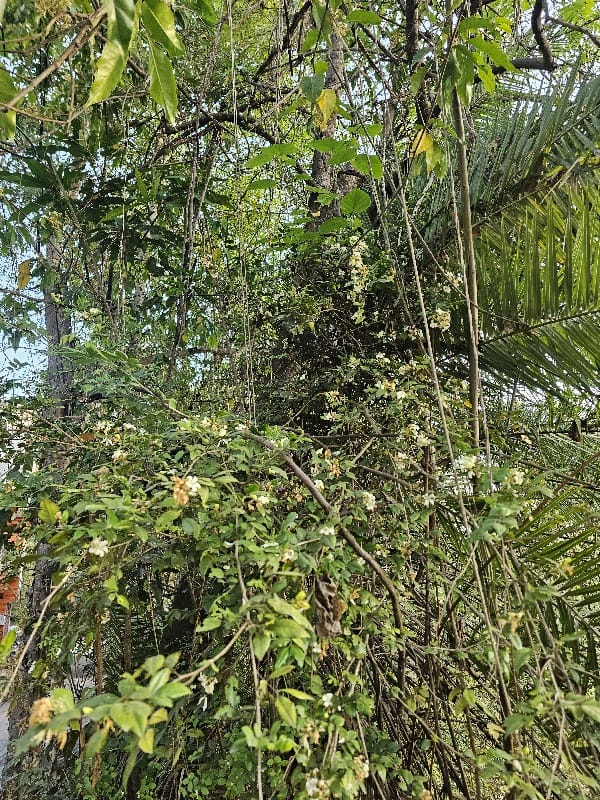
Native to Asia, the species is commonly cultivated in home gardens, temple premises, and institutional landscapes as a hedge plant. Its plants are commonly seen growing in well-drained soil, partial to full sunlight and moderate moisture conditions up to 1500m in Western Himalayas. The plant can be propagated through: seeds, semi-hardwood cuttings, air layering. Seed propagation is common, though cuttings provide quicker establishment.
Leaves, flowers and fruits of this plant are edible. Fruits are eaten fresh, leaves are used in same manner as curry leaves. Fragrant white flowers of this plant are used as flavouring agent in traditional recipes.
Apart from its aesthetic value, this plant has been traditionally used for managing several ailments including stomach disorders, pain, swelling, skin infections, and rheumatic conditions. In Ayurveda and folk medicine, its leaves, bark, and flowers hold considerable therapeutic significance.1, 2.
Bleechee Plant:
Evergreen, glabrous shrubs or small trees.
Leaves dark- green, 3-9- folio late; leaflets obliquely rhomboid, more or less acuminate, entire, shining above.
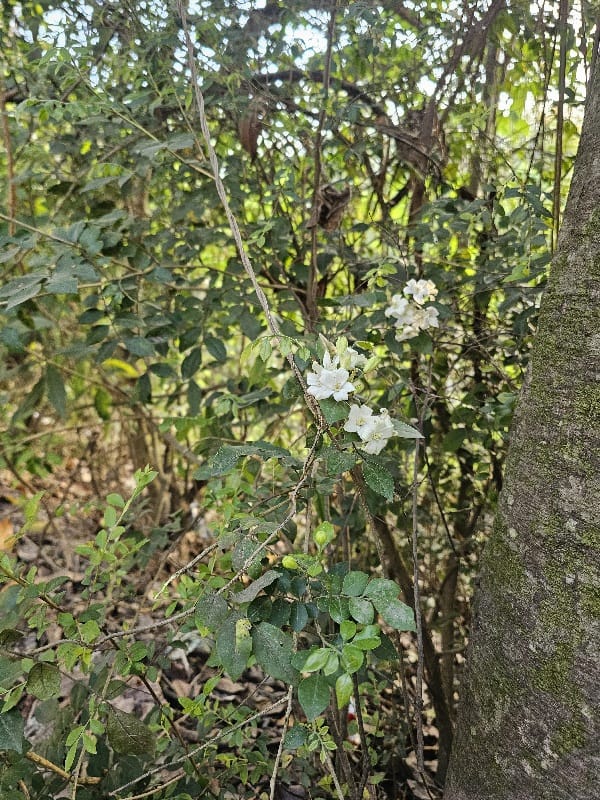
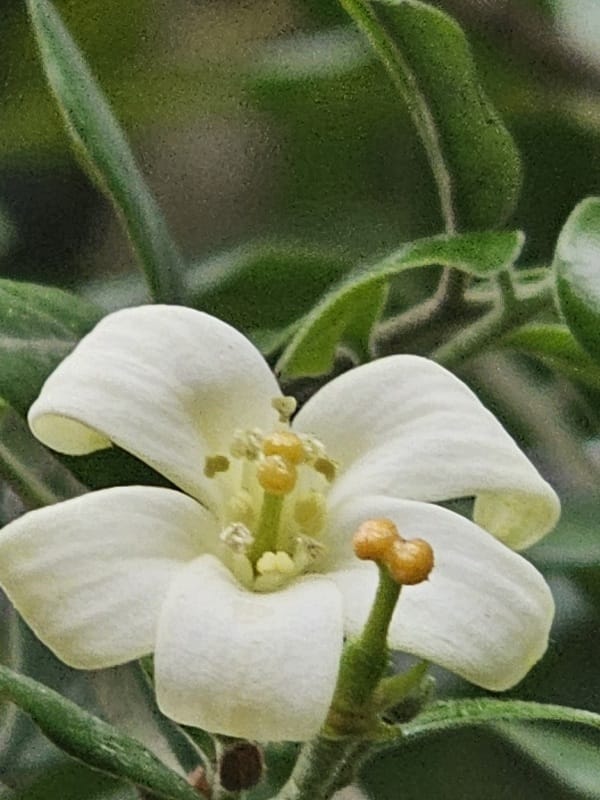
Flowers white, fragrant, in short corymbs. Sepals minute, acute, dotted. Petals oblong-lanceolate.
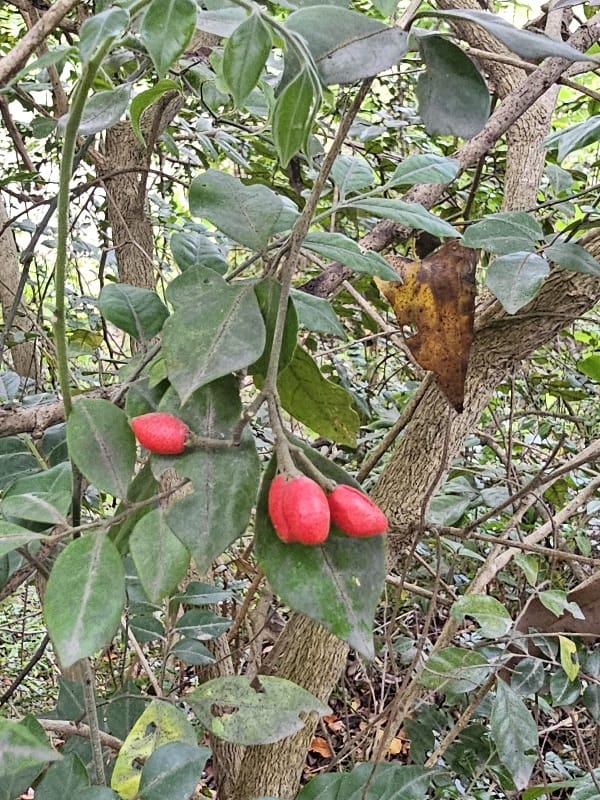
Berries ovoid, 2-seeded, rugose, red or deep orange when ripe.
Being an evergreen plant, Bleechee leaves can be harvested throughout the year. Flowering generally occurs from spring to autumn, although in warm climates the plant may bloom almost year-round. Fruiting follows soon after flowering. However, the harvesting of flowers and fruits should be carried out sustainably, as they play a vital role in propagation. This can be ensured through habitat rotation and by retaining some flowers and fruits on the parent plant to support natural regeneration and sustainable growth.
Edible Uses:
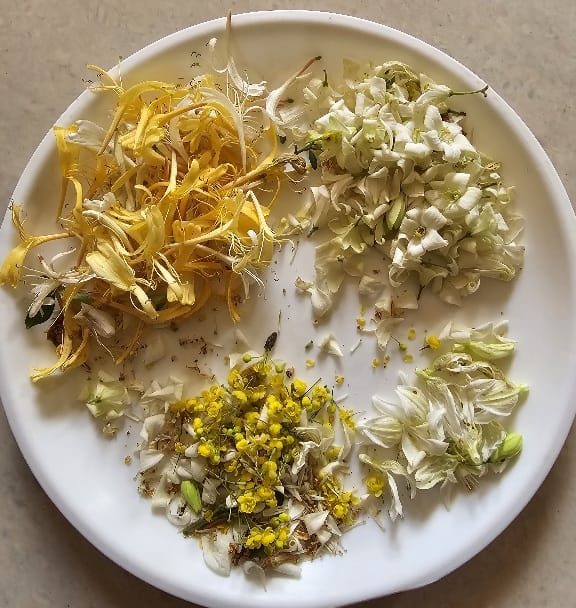
Bleechee is an excellent example of a plant that beautifully integrates ornamental elegance with medicinal value. It can be grown as multipurpose plant for its fragrant blooms, therapeutic potential, and edible plant parts. Integrating such species in lifestyle can strengthen the link between traditional wisdom and modern herbal research. Although the leaves of Bleechee can be used in small quantities as a spice or in herbal infusions to harness their medicinal properties, their strong, slightly bitter, and resinous taste limits their widespread culinary use3. In contrast, the flowers of Bleechee are highly fragrant, sweet-smelling, and non-toxic, making them suitable for culinary aroma-based uses in small quantities. The delicately fragrant flowers are far more suitable and are preferred as a natural flavouring agent in various traditional preparations like kheer, fruit bowls, salads, herbal desserts and festive drinks. However, to retain aroma and visual appeal add just before serving.
Herbal Tea
Ingredients:
Fresh flowers, 5–7; Water, 1 cup (200 ml); jaggery to taste. Optional combinations (choose any one or mix lightly) Lemongrass: 1 small piece (2–3 cm); Tulsi leaves: 4–5; Rose petals: 4–5
Method:
Boil water and switch off the flame. Add flowers, jaggery and optional ingredients. Cover and steep for 5 minutes. Strain and serve warm.
Produces a mild citrus-jasmine aroma with subtle medicinal value.
Flower Sharbat
Ingredients:
Fresh flowers: 10–12; Water: 1 litre; Lemon juice: 1–2 tsp; Honey: 1–2 tsp (optional)
Method:
Add flowers to water in a glass vessel. Cover and keep overnight (6–8 hours).Strain gently. Add lemon juice and honey before serving.
Refreshing summer drink and herbal hydration.
Floral Syrup
Ingredients:
Fresh flowers: 15–20; Sugar: 1 cup; Water: 1 cup; Lemon juice: ½ tsp (natural preservative)
Method:
Heat sugar and water until fully dissolved. Switch off heat and add flowers.Cover and let infuse for 6–8 hours. Strain and add lemon juice. Store in refrigerator.
Flower Chilla
Ingredients:
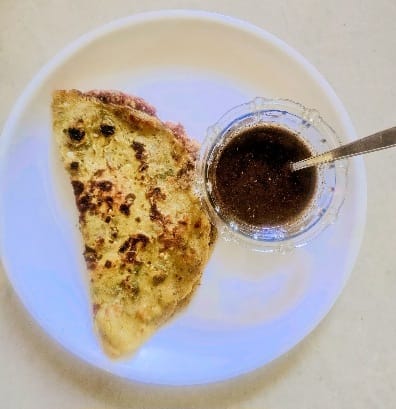
Besan: 1 cup; Water: ~¾ cup (to make batter); Fresh flowers: 8–10 (chopped lightly); Salt: to taste; Turmeric: ¼ tsp; Green chilli: 1 (optional); Oil: 1–2 tsp for cooking
Method:
Prepare smooth batter using besan and water. Add spices and flowers. Spread on hot pan like chilla. Cook both sides till golden.
Flower Pakora
Ingredients:
Fresh flowers: 10–12; Besan: ½ cup; Rice flour: 1 tbsp (for crispiness); Water: as needed; Salt & spices: to taste; Oil: for frying
Method:
Prepare thick batter. Dip flowers lightly. Fry till crisp and golden.
Seek professional advice before treating this plant medicinally.
Medicinal Value:
The medicinal significance of Bleechee is well documented in traditional and contemporary literature, supported by ethnobotanical and pharmacological investigations. The plant exhibits notable analgesic and anti-inflammatory properties and is traditionally believed to enhance blood circulation, thereby aiding in the management of pain, contusions, and swellings Bleechee2. The leaves possess astringent, stimulant, and tonic attributes and are widely used in folk medicine for treating diarrhoea, dysentery, and fluid retention disorders. A decoction of the leaves is employed as a mouthwash for toothache, while powdered leaves are applied topically to fresh wounds to facilitate healing. Fresh leaf poultices are also used to reduce inflammation associated with sprains and bruises, and in certain traditional systems, they are applied for headache relief, snake bites and skin ailments Leaves decoction taken for stomach discomfort. Bark used as analgesic is a traditional remedy for rheumatism and body aches 2,4,5. The bark of stems and roots is strongly astringent and is utilized in the management of diarrhoeal conditions, whereas powdered root bark is used both internally and externally to alleviate body aches. The flowers also contain essential oil; the glucosides murrayin and scopolin; murrayetin, and indol 6. The flowers, owing to their aromatic nature, are regarded as stomachic and tonic, contributing to digestive health and general well-being. These diverse therapeutic applications are attributed to the presence of bioactive compounds such as flavonoids, coumarins, alkaloids, and essential oils, which underpin its wide range of pharmacological activities including antioxidant, antimicrobial, and antidiarrhoeal effects 2,7.
Other Uses:
Bleechee is grown as a living fence to protect vegetable gardens. It is valued not only for its medicinal properties but also for its diverse economic and cosmetic uses. The fragrant flowers yield an essential oil widely used in perfumery and are also incorporated into cosmetic formulations for their aroma and mild bioactivity. Leaf extracts are utilized in commercial products as antioxidants, skin-conditioning agents, and in oral care preparations, while the powdered wood serves as a humectant in cosmetics 8. In traditional practices, particularly in Southeast Asia, the wood and roots are ground into an aromatic powder known as “Thanaka,” applied to the skin for cosmetic purposes 9. Although the tree is generally small, its yellow heartwood is valued, and even smaller wood pieces are locally used for making tool handles, walking sticks, furniture, and for wood-turning applications 9,10.
References:
- Singh, P. B. (2018). Flora of Mandi (Himachal Pradesh).
- Joshi, D., & Gohil, K. J. (2023). A brief review on Murraya paniculata (Orange Jasmine): Pharmacognosy, phytochemistry and ethnomedicinal uses. Journal of Pharmacopuncture, 26(1), 10.
- Facciola, S. (1990). Cornucopia: A Source Book of Edible Plants. California: Kampong Publications.
- Kirtikar, K. R., & Basu, B. D. (1999). Indian Medicinal Plants (Vol. 1–4). Dehradun: International Book Distributors.
- Prajapati, N. D., Purohit, S. S., Sharma, A. K., & Kumar, T. (2003). A Handbook of Medicinal Plants. Jodhpur: Agrobios.
- Chopra, R. N., Nayar, S. L., & Chopra, I. C. (1986). Glossary of Indian Medicinal Plants. New Delhi: Council of Scientific and Industrial Research.
- Rehman, S., et al. (2023). Phytochemical profiling and pharmacological potential of Murraya paniculata: A review. Journal of Herbal Medicine, XX(X), XXX–XXX.
- Ash, M., & Ash, I. (2004). Handbook of cosmetic ingredients (3rd ed.). Endicott, NY: Synapse Information Resources.
- Burkill, H.M. (1985–1997). The Useful Plants of West Tropical Africa. 2nd Edition. Royal Botanic Gardens, Kew
- Duke, J. A. (2002). Handbook of Medicinal Herbs (2nd ed.). Boca Raton: CRC Press.
you are in reality a good webmaster. The web site loading velocity is amazing. It seems that you are doing any distinctive trick. Moreover, The contents are masterpiece. you have performed a great activity on this matter!
of course like your web site but you have to test the spelling on several of your posts. Several of them are rife with spelling problems and I find it very troublesome to inform the truth then again I will definitely come again again.