
Family: Dioscoreaceae
Synonyms: Dioscorea tenii
Local name: Singhtu (सिंघटु)
Singhtu grows in upper mid-hill regions over bushes and shrubs in open scrub forests, forest margins and roadsides from 1500-2400 m in Western Himalayas.
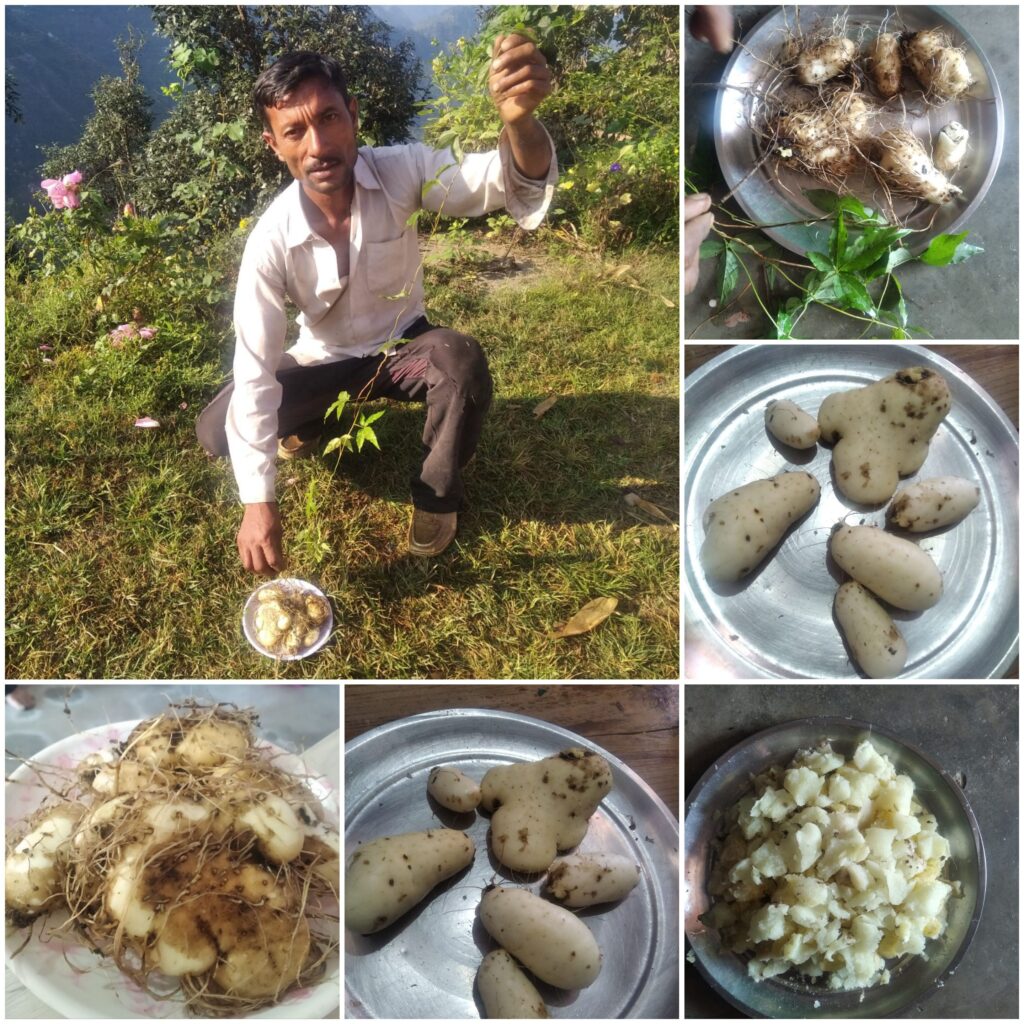
It bears small tubers which are boiled and then prepared like a vegetable. Singhtu is appear as a seasonal climber which starts appearing with the warming up of weather after mid March. New vines arise at places where these fruits had fallen. That is how natural regeneration of singhtu vines take place in forests. The vines start drying from October with the cooling down of weather and then a stage comes when these are hardly visible. This plant grows in large number in its areas of occurrence and local people also eat it tubers fondly.
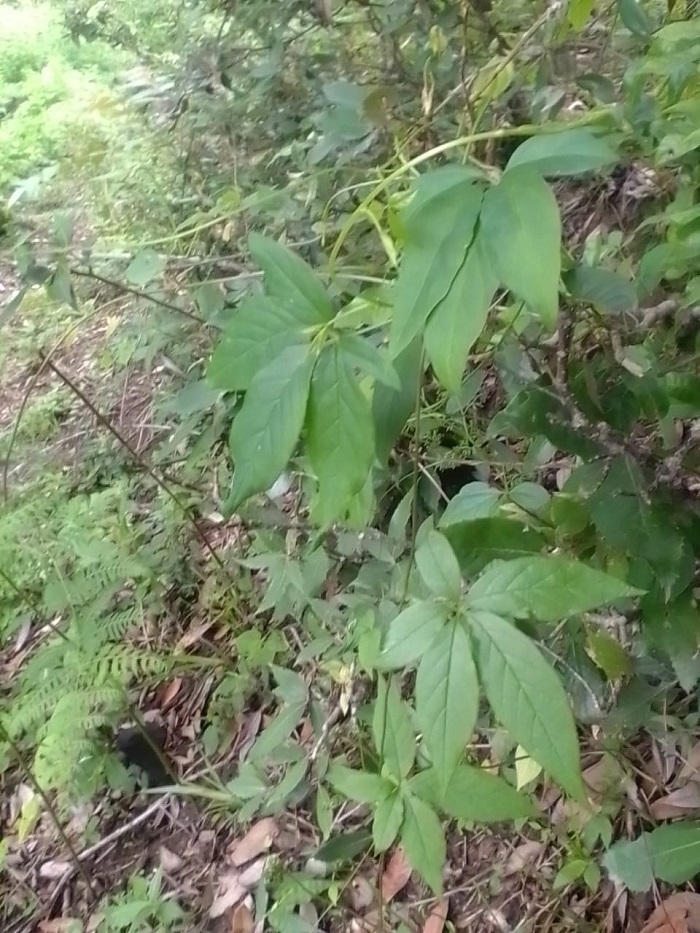
Singhtu plant:
Perennial herbs, with obovoid- rounded tubers.
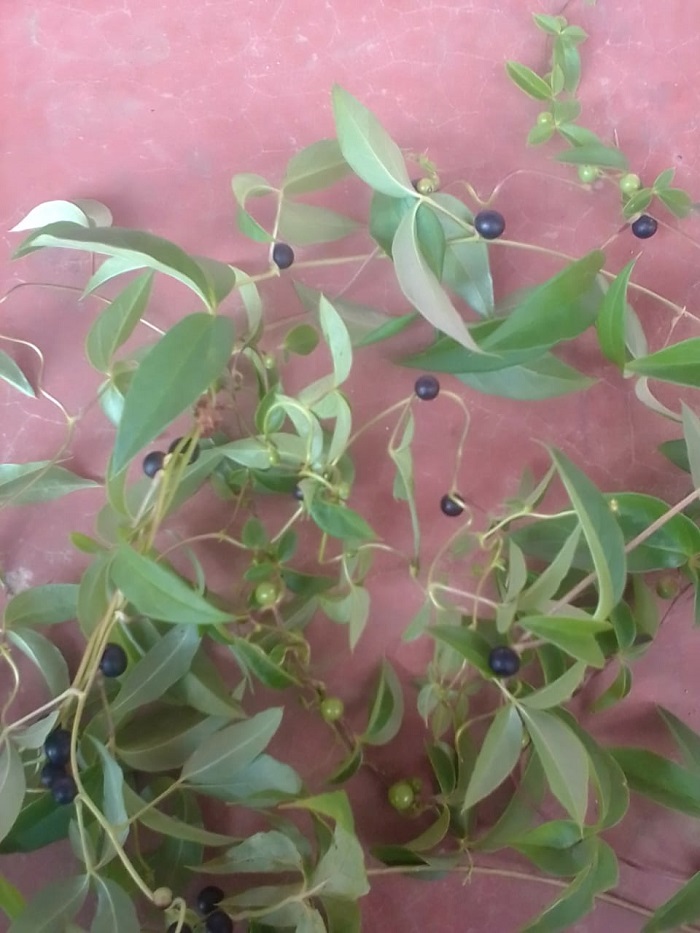
Stem twining to the left; bulbils numerous, 5-7 mm across, black.
Leaves alternate, usually 3-5- foliolate; leaflets lanceolate, 3.5 -10cm long, with a fine acuminate tip. Male spikes 2.5-7 cm long, axillary, solitary or 2 together; perfect stamens 3, with 3 stamindes. Female spikes solitary, axillary, 3.5 cm long.
Capsules 1.5 cm long, black, oblong.
Seeds winged at the top.
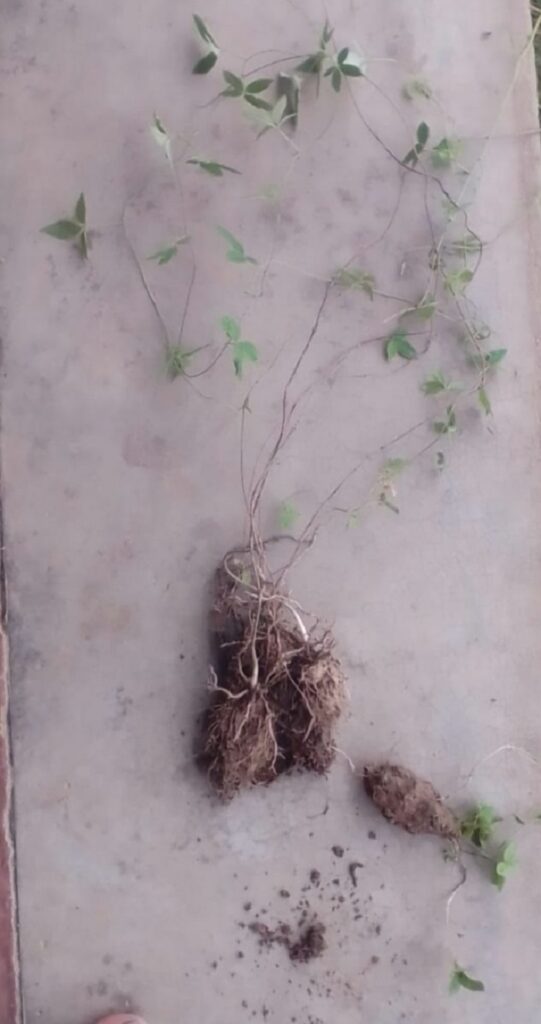
The vines bear tubers which weigh 100 to 300 grams each. These tubers are located 3-4 inches deep and are therefore not difficult to dig out.
The tubers taste somewhat like potatoes. These are a favourite food of porcupine which can be considered as a major pest of Singhtu.
Tubers are cooked as vegetable. These are believed to have a warming up effect on body during winter months.
The tubers can also be roasted by placing them for 15-20 minutes in hot ash under the burning firewood at the fireplace. The bark is than peeled off with an the tubers are eaten after sprinkling some salt.
Edible tubers of Singhtu can be harvested from November to February. As edible part of plant is tuber so to ensure sustainable harvesting rotational harvesting should be practiced after fruiting period is over.
Edible uses:
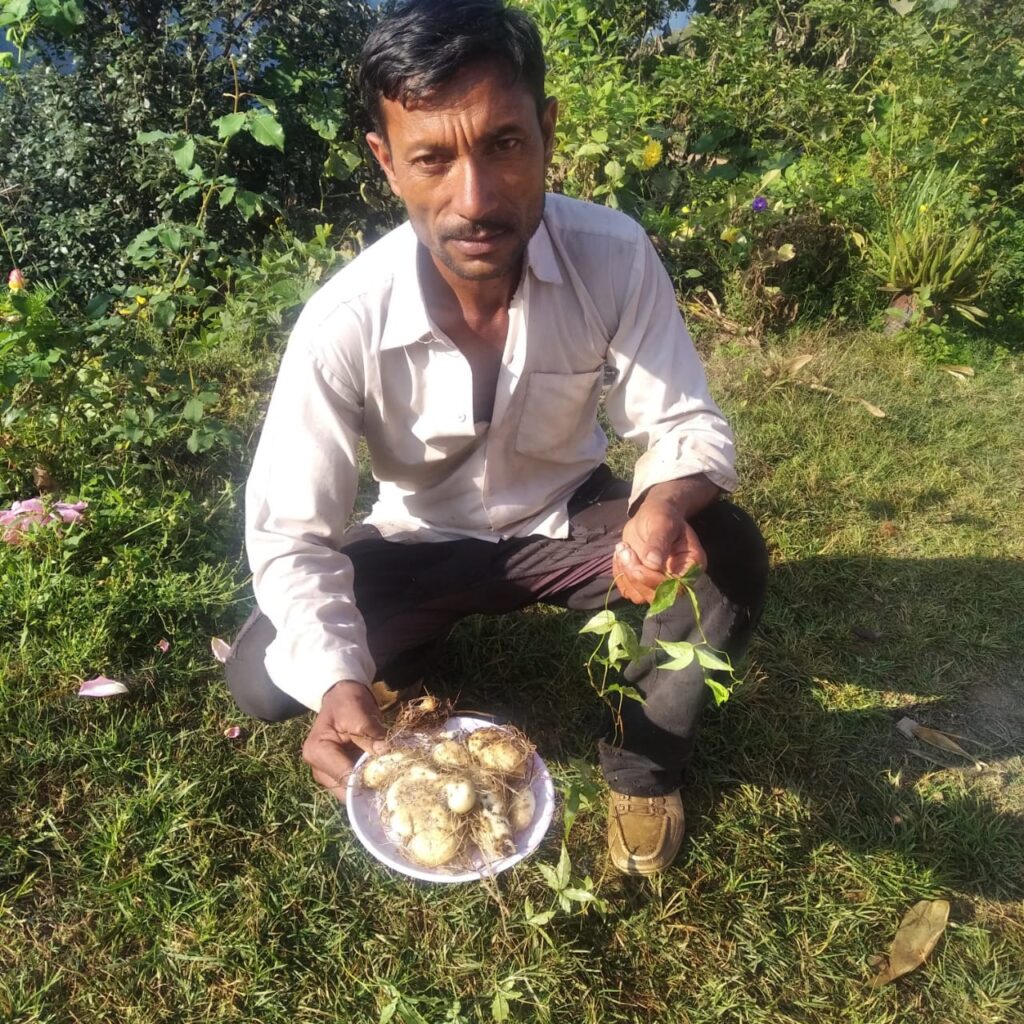
As already stated Singhtu tubers are also eaten by roasting these if fire. This is mostly done by nomadic shepherds while grazing their flocks on forest meadows. At home, Singhtu tubers are cooked as a vegetable to be eaten with chapatis.
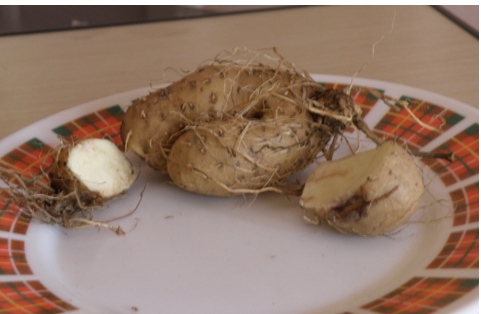
Tubers of singhtu.
Here is the recipe for making Singhtu vegetable:
Ingredients:
Skinned or unskinned tubers, 1 kg; mustard oil, 3-4 table spoons; coriander powder, 1 table spoon; fenugreek powder, ½ table spoon; cumin seed, 1 tea spoon; turmeric powder, 1/2 table spoon; red chillies, 2-3; medium sized chopped onions, 2-4; garlic, 4-5 cloves; ginger paste, ½ table spoon; tomato puree, 1 cup amount; chopped green coriander leaves, ½ cup amount and salt according to taste.
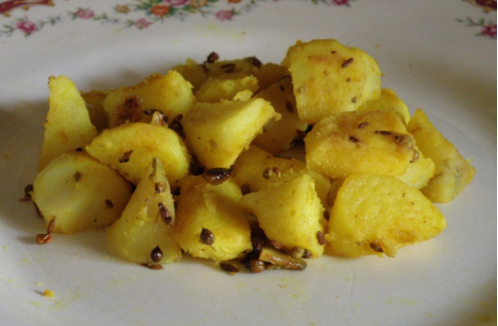
Boiled and sauted singhtu tubers
Method:
Cut tubers into small cubical pieces and sauté in hot mustard oil along with spices listed before in sequence. Add some water and cook till these are soft. Garnish the recipe with chopped coriander leaves and serve with chapatis.
Boiled tuber can also be cooked by simply sautéing tuber pieces in hot mustard oil with spices like coriander powder, fenugreek powder, red chillies, turmeric powder and cumin seed in sequence. Cook for 5 to 10 minutes then garnish with green coriander leaves and serve.
I really enjoy the blog.Really thank you! Cool.
A big thank you for your post.Really thank you! Cool.
I am so grateful for your blog.Really looking forward to read more. Really Cool.
Muchos Gracias for your post.Really thank you! Keep writing.
Thanks again for the post. Great.
Very good blog.Really thank you! Will read on…
I truly appreciate this blog article.Thanks Again.
A big thank you for your blog.Really thank you! Keep writing.
Wow, great blog post.Really looking forward to read more. Keep writing.
I really enjoy the post. Really Cool.
Say, you got a nice blog post.Really looking forward to read more. Want more.
I value the blog article.Really thank you! Fantastic.
A round of applause for your blog article.Really looking forward to read more. Cool.
Thanks for the article post.Much thanks again. Want more.
I appreciate you sharing this blog.Much thanks again. Fantastic.
Im obliged for the article. Really Great.
You can certainly see your enthusiasm within the article you
write. The world hopes for even more passionate writers like you who aren’t
afraid to mention how they believe. At all times
go after your heart.
Thanks-a-mundo for the blog post.Really looking forward to read more. Fantastic.
Im thankful for the blog.
I’ll immediately grab your rss as I can not to find your e-mail subscription link or e-newsletter
service. Do you have any? Kindly let me recognize in order that I could
subscribe. Thanks.
I value the article post.Really thank you! Really Great.
wow, awesome blog.Thanks Again. Much obliged.
Enjoyed every bit of your post.Much thanks again. Really Cool.
Great, thanks for sharing this blog article.Thanks Again. Great.
This is one awesome blog post.Thanks Again. Fantastic.
Thanks for the post.Really looking forward to read more. Really Great.
Major thankies for the article post.Really looking forward to read more. Want more.
A round of applause for your article.Really thank you! Will read on…
Thanks so much for the article. Great.
I loved your article.Much thanks again.
Im obliged for the blog post.Much thanks again. Cool.
I loved your post.Much thanks again.
Major thanks for the article. Want more.
Really appreciate you sharing this article.Much thanks again. Fantastic.
Wow, great article post.Thanks Again. Want more.
Say, you got a nice post. Keep writing.
Thanks so much for the post.Much thanks again. Fantastic.
Thanks again for the article. Fantastic.
This is one awesome blog article.Really looking forward to read more. Really Cool.
I think this is a real great blog article.Really thank you! Cool.
I appreciate you sharing this article post. Fantastic.
Enjoyed every bit of your article. Awesome.
I cannot thank you enough for the blog article.Really thank you! Want more.
Awesome post.Really thank you! Really Cool.
I really enjoy the article post. Want more.
Thanks for the article post.Thanks Again. Awesome.
I appreciate you sharing this article post. Really Cool.
Say, you got a nice blog article. Fantastic.
Thanks so much for the blog.Thanks Again. Really Cool.
I value the blog post.Really looking forward to read more. Really Great.
Hey, thanks for the article post.Thanks Again. Will read on…
Hey, thanks for the blog post.Thanks Again. Really Great.
Very informative article post.Much thanks again. Cool.
Really enjoyed this blog.Thanks Again. Great.
Fantastic article post.Thanks Again. Cool.
Thanks for sharing, this is a fantastic article.Really thank you! Really Great.
Thanks so much for the post.Really thank you! Awesome.
Muchos Gracias for your article.Really looking forward to read more. Want more.
Very informative post.Really looking forward to read more.
I am so grateful for your blog article.Much thanks again. Awesome.
Thanks again for the blog post.Really thank you! Fantastic.
I value the post.Much thanks again. Want more.
Thanks again for the article post. Want more.
Im obliged for the blog post.Much thanks again. Will read on…
Say, you got a nice blog article.Really looking forward to read more. Really Cool.
I loved your article.Much thanks again. Want more.
I really like and appreciate your blog.Thanks Again. Will read on…
Very good article post.Really looking forward to read more. Keep writing.
Really informative blog.Thanks Again. Fantastic.
Thanks for sharing, this is a fantastic article.Thanks Again. Awesome.
I really liked your blog. Awesome.
Im thankful for the blog post.Much thanks again. Keep writing.
Im thankful for the blog article.Thanks Again.
Fantastic blog. Cool.
Thanks-a-mundo for the article post.Thanks Again. Much obliged.
I really enjoy the blog.Really looking forward to read more.
Hey, thanks for the article post. Awesome.
Im grateful for the post.Really looking forward to read more. Fantastic.
Wow, great post.Really thank you! Keep writing.
I really enjoy the blog article.Much thanks again. Really Cool.
Great, thanks for sharing this blog. Awesome.
I am so grateful for your blog post.Really thank you! Cool.
I really enjoy the article.Really looking forward to read more. Fantastic.
Looking forward to reading more. Great article.Much thanks again. Much obliged.
Enjoyed every bit of your blog post.Really thank you! Much obliged.
Hi mates, nice paragraph and fastidious urging commented here, I am really enjoying by these.
Im grateful for the blog post. Want more.
Very good article post.Much thanks again. Fantastic.
Muchos Gracias for your blog article.Thanks Again. Great.
Major thankies for the blog. Keep writing.
Really informative article.Much thanks again. Really Cool.
Im obliged for the blog. Want more.
Major thanks for the post.Much thanks again. Really Great.
Very good article post. Will read on…
Really appreciate you sharing this blog article.Thanks Again.
Great, thanks for sharing this article. Will read on…
Really appreciate you sharing this blog article.Thanks Again. Really Great.
Im grateful for the article post.Thanks Again. Awesome.
Very informative post.Really thank you! Keep writing.
Wow, great blog post.Thanks Again.
I think this is a real great blog post. Really Great.
I really like and appreciate your blog. Really Great.
This is one awesome blog post.Really looking forward to read more. Will read on…
Thank you for your blog post.Much thanks again. Want more.
Thanks-a-mundo for the blog article.Really thank you! Awesome.
Wow, great article post.Much thanks again. Cool.
Thanks for the article.Really thank you! Will read on…
Looking forward to reading more. Great article post.Much thanks again. Great.
Great, thanks for sharing this blog. Want more.
Major thankies for the blog.Really thank you! Great.
I really enjoy the article post. Cool.
I loved your blog.
Very informative article.Thanks Again. Awesome.
Wow, great post.Thanks Again. Keep writing.
Thanks so much for the article post. Really Cool.
wow, awesome blog.
Great blog article.Much thanks again. Really Cool.
This is one awesome article post.Really thank you! Really Cool.
I think this is a real great post.Much thanks again. Great.
I value the post.Really looking forward to read more. Fantastic.
Great blog. Will read on…
Hey, thanks for the post.Much thanks again. Keep writing.
Thanks for sharing, this is a fantastic post.Really thank you! Keep writing.
Major thanks for the blog.Really looking forward to read more. Fantastic.
Very informative blog.Thanks Again. Really Great.
Thanks so much for the article.Really thank you! Really Cool.
Thanks-a-mundo for the blog article.Thanks Again. Much obliged.
I am so grateful for your article.Much thanks again. Want more.
Great, thanks for sharing this blog post.Really looking forward to read more. Great.
Looking forward to reading more. Great article.Thanks Again. Much obliged.
Very informative post.Really looking forward to read more. Cool.
Really enjoyed this blog article.Really thank you!
Thanks again for the post. Awesome.
Thanks very interesting blog!
It’s appropriate time to make a few plans for the future and it is time to be happy.
I’ve learn this submit and if I may I wish to suggest you some
interesting things or suggestions. Perhaps you could write subsequent articles relating to this article.
I desire to read even more things about it!
Peculiar article, totally what I wanted to find.
An intriguing discussion is definitely worth comment.
I do believe that you need to publish more on this issue, it may
not be a taboo subject but typically people don’t talk about these subjects.
To the next! All the best!!
I think the admin of this web page is really
working hard for his web page, because here every stuff is quality based information.
Howdy just wanted to give you a quick heads up. The text in your
post seem to be running off the screen in Opera. I’m not sure
if this is a format issue or something to do with web browser compatibility but I figured I’d post to let you know.
The layout look great though! Hope you get the issue resolved soon. Cheers
Hello there, I discovered your website by means of Google whilst searching for a similar topic,
your site came up, it seems to be good. I’ve bookmarked it
in my google bookmarks.
Hello there, just become alert to your weblog via Google, and
located that it is really informative. I’m going to be careful for brussels.
I will be grateful should you proceed this in future.
Numerous people can be benefited from your writing. Cheers!
I always emailed this web site post page to all my associates,
as if like to read it after that my links will too.
I do not even know how I ended up here, but I thought this
post was good. I don’t know who you are but certainly you’re going to
a famous blogger if you are not already 😉 Cheers!