
Family: Araceae
Synonyms: Arisaema cornutum, Arisaema exile
Common Name: Cobra lily
Local name: Chichyda (चिचिडा)
Chichyda is a perennial herb of Western Himalayas. It is commonly seen growing in open grassy places, rocky slopes as well as margins of coniferous forests , Juniperus or Rhododendron thickets, shrubberies and alpine zones of drier parts of Western Himalayas up to an altitude of 2000- 4000 meter.
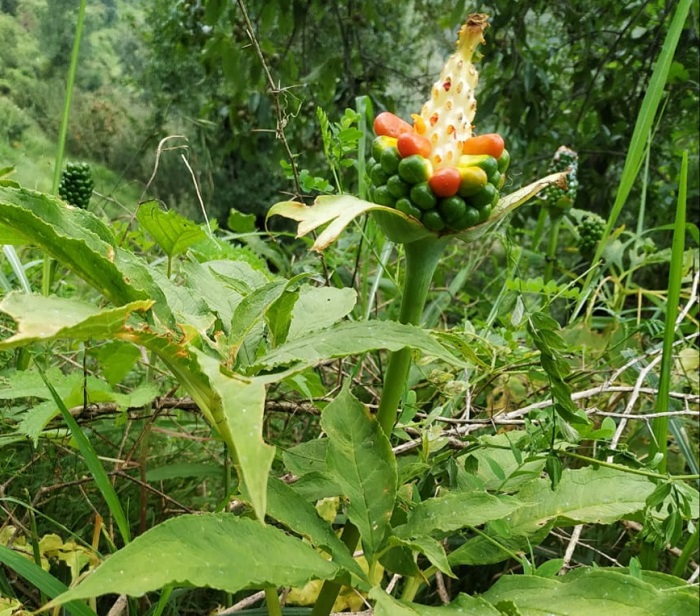
Chichyda grows from a tuber that is usually renewed seasonally. The plant produces 2 digitately compound leaves with 5-7 leaflets and spathe green striped with white , finely ribbed; limb ending in a long-pointed tip which gives a unique attractive appearance to the plant. That’s the reason provably that Chichyda is also grown as a ornamental plant in gardens. Chichyda prefers a cool peaty soil in the woodland garden, dappled shade and shady edge
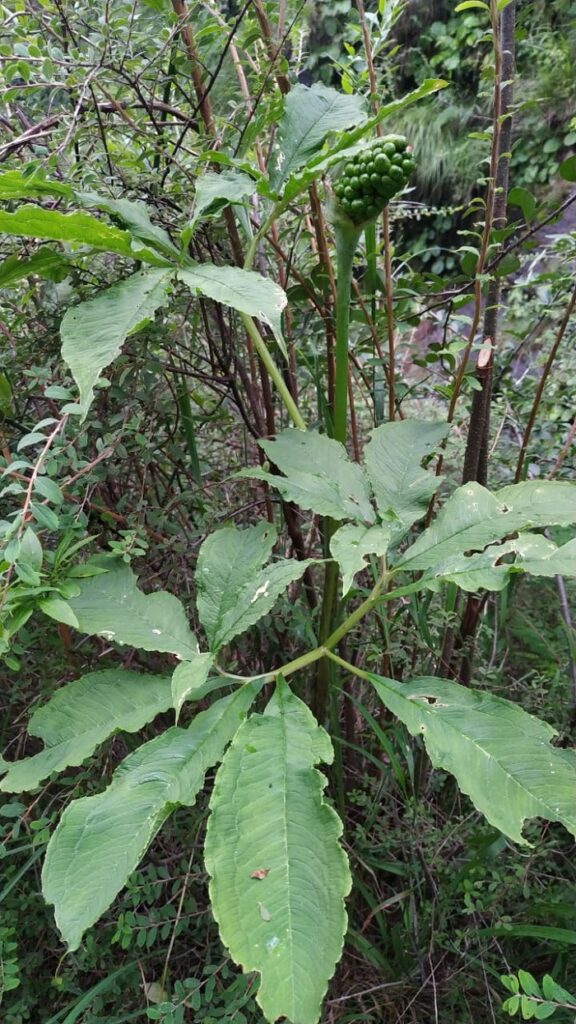
This herb like other species of Genus Arisaema is paradioecious and change its sex from year to year, changes in gender of plant expression are directly depends on nutrition and with size and are also influenced by the environment in which the plants are growing. Small plant produce only staminate flowers, whilst larger plants produce either staminate and pistillate flowers simultaneously or pistillate flowers only.
Inhabitants of hills in Western Himalayas usually harvest whole herb or tubers for food and medicine from wild. However, some people considered it poisonous due to presence of calcium oxalate crystals in it. Extremely unpleasant sensation appears from all parts of the plant, but this effect is easily neutralized by thoroughly drying or cooking the plant or by steeping it in water. According to some people plant is poisonous and is not of much use, so is classified as ‘Least Concern’ in the IUCN Red List of Threatened Species 1. But chichyda is medicinal and almost all the parts of this plant fruits, flowers, leaves. Rhizome, roots and tubers known to have medicinal importance. That’s the reason provably old people used to eat leaves and tuber of this plant to harness its medicinal values in spite of extremely unpleasant sensation appearing during washing and processing of tubers.
Chichyda Plant:
Plant is erect, tuberous herb, 30-60 cm high
Leaves usually 2, digitately compound; leaflets 5-7, unequal, lanceolate, 4.5- 13 cm long; petioles up to 22 cm long.
Spathe 15 cm long, green, striped with white; tube long; limb narrowed into a long, green or purple tail.
Spadix unisexual, included in the spathe; appendages curved, base dilated, truncate (in male) or cuneate (in female). Male flowers: stamens stipitate, anthers subglobose. Female flowers: ovary subglobose, style subsessile, stigma disciform.
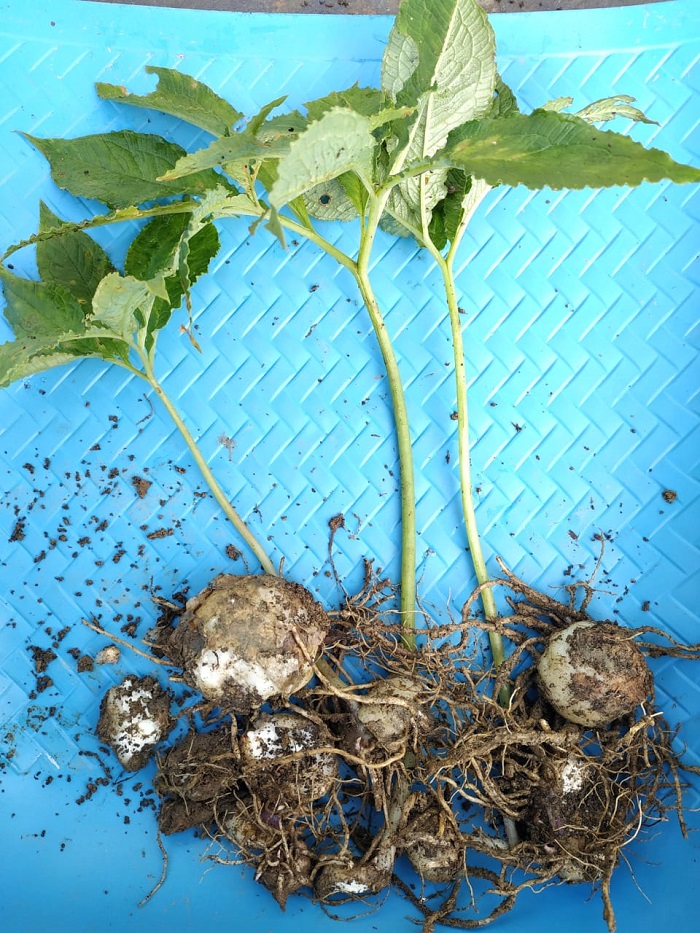
Berries globose, 4- 4.5 mm broad, red when mature.
Frequent in forest undergrowth, (flora of mandi)
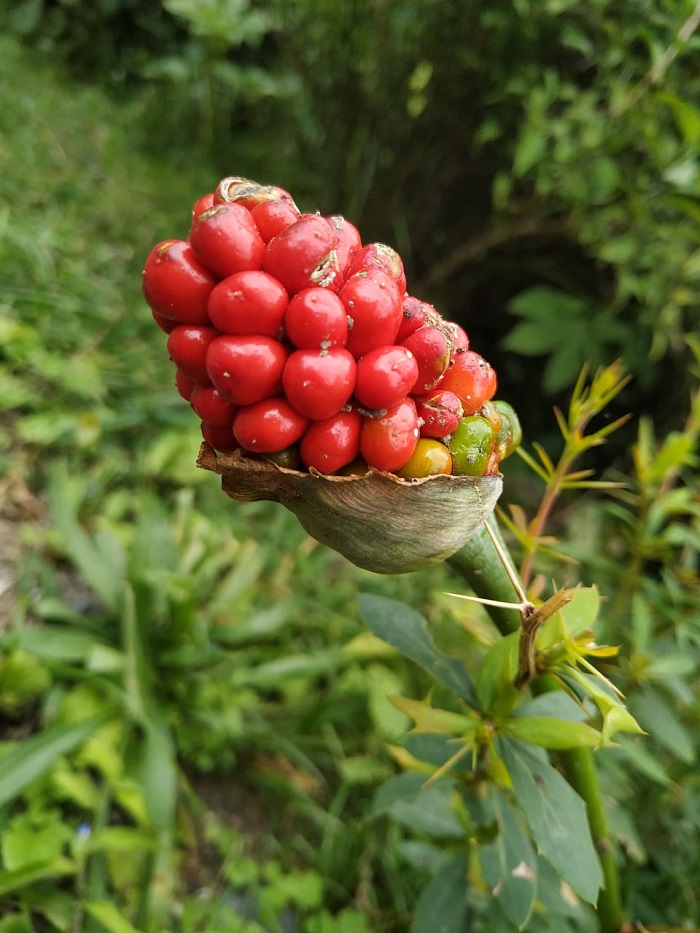
Chichyda can provide edible plant parts round the year.
Edible Uses:
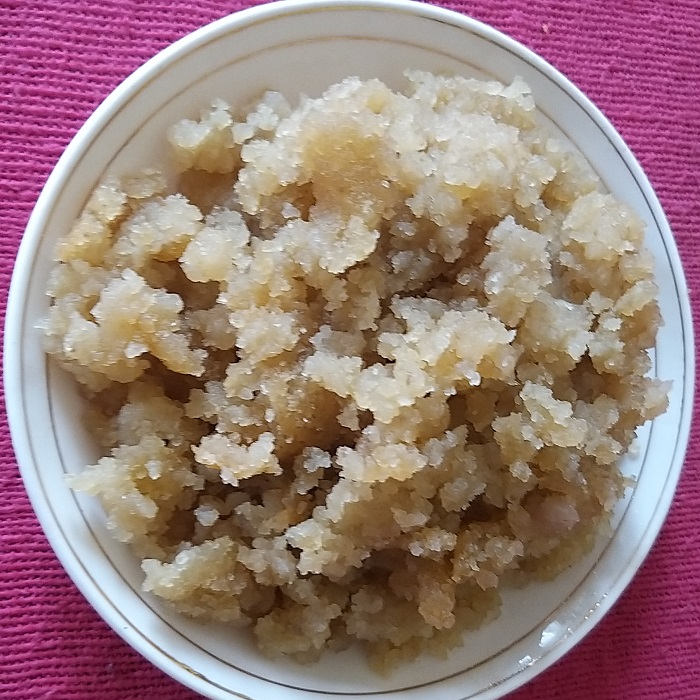
Leaves and tuber of Chichyda are edible but they can be toxic, so must be thoroughly washed and boiled before eating even then some irritation is caused. Edibility ranking of three very common species of genus Arisaema in Western Himalayas with preference for cooking are Arisaema propinquum Arisaema jacquemontii Arisaema tortuosum. Tubers are cooked like potato and mixed with souring agent to neutralize unpleasant sensation. Leaves are cooked as PATRODU by mixing with basen (Corm flour), anardana (Dried seeds of sour pomegranate) and spices. Tuber of Chichyda are also fermented to prepare local alcohol drink called dheli.
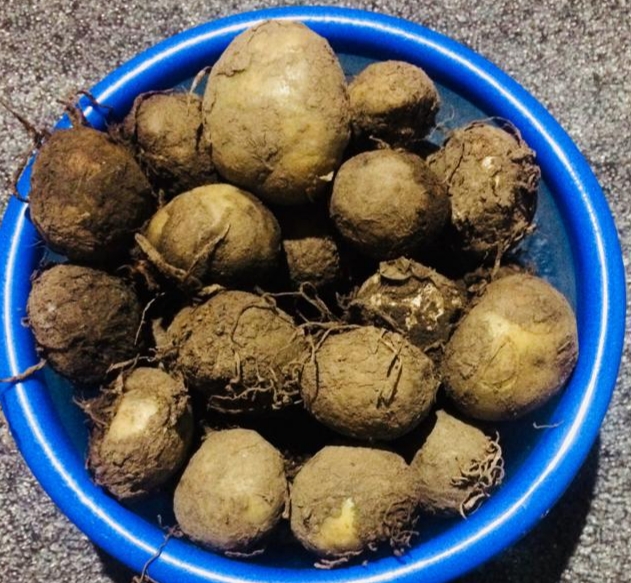
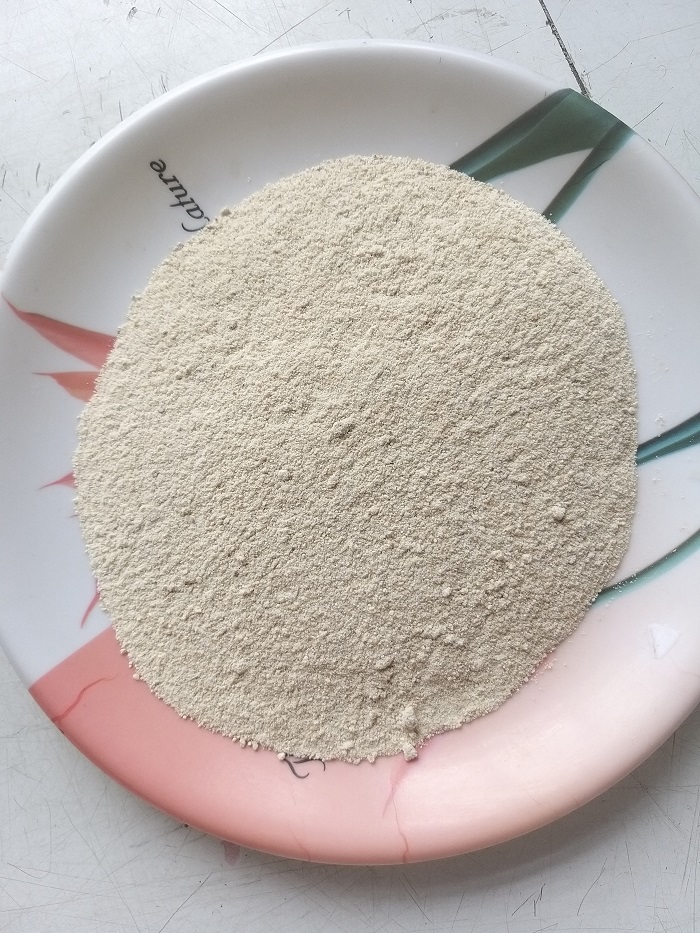
Best way to neutralize to avoid toxicity is to completely dry and powder the tuber into flour and cooked in a variety of ways as flour is mixed with wheat flour to prepare chapattis, or mixed with green or spices to prepare sosru or kachru If anyone want to chop tubers raw they need to apply mustered oil before chopping to reduce extremely unpleasant sensation. Still even some unpleasant sensation is there.
Tuber Vegetable:
Chichyda tubers, 250 g; potato tuber 1/2 kg mustard oil, 2 table spoons; coriander powder, ½ table spoon; fenugreek powder,1/4 table spoon; cumin seed, 1 table spoon turmeric powder, 1 table spoon; red chillies, 2-4, chopped onion, 1; chopped garlic cloves, 4-5; tomato puree half cup, salt according to taste; 1 big table spoon anardana (Dried seeds of sour pomegranate).
Ingredients:
Method:
Boiled tuber of Chichyda potato auted in hot oil along with whole spices like coriander, cumin seeds, chillies, turmeric, onion, garlic and tomato puree etc in sequence. Add anardana then cook for another 5-10 minutes. As the tuber may cause sensation so addition of some souring agent improves the taste. Now it is ready to serve.
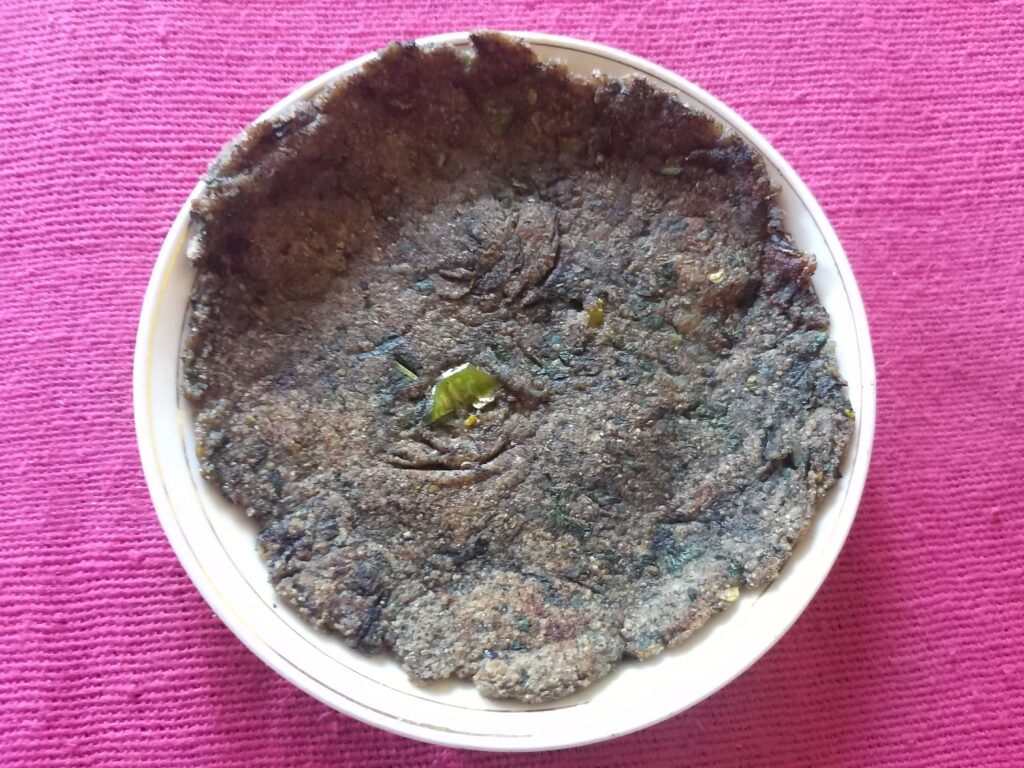
Sometime boiled tuber of Chichyda and potato meshed and mixed with spices and some greens then cooked like a chilla on hot pan and served as snack.
The tender leaves of new growth of Chichyda along with other greens and basen plus spices are made into a roll called PATRODU in local dialect. Other greens are added to lessen the irritation caused by Chichyda leaves Patrodu is used as snack or vegetable Patrodus can be made like .
Ingedients:
8 -15 finely chopped newly emerged tender leaves of Chichyda and some other green, 250 gm besan (black gram flour) or corn flour, 1 cup; fresh coriander leaves (chopped), 3-5 green chillies, ½; table spoon turmeric powder, 2-3 chopped onions, 1 big table spoon anardana (Dried seeds of sour pomegranate). 1cup amount chopped leaves of herbbhavri(Ocimum bacillus) and salt according to taste.
Method:
Make a mixture of chopped leaves, spices and besan (or corn flour) by blending them together. Roll this mixture like bedding. Tie it with thread or wrap inside by large Turmeric leaf or Colocasia leaf to make it one piece. Take a big pan and add some water then put small sticks to make rack over the water. Place the folded leaves on rack and let it be steam cooked for 15 to 20 minutes. Take out the rolls and let it cool down. Then cut into small pieces. These pieces can be shallow fried or deep fried according to taste.
Serve as a snack with tea or use as vegetable.
Local alcoholic drink:
Take 10-12 kg barley flour (Hordeum vulgare) and mix to it Chichyda tubers, finally chopped whole singali – mingli plant (Dioscorea deltoidea) and some other medicinal herbs of rainy season like Arisaema tortuosum tubers, Angelica glauca, Selinum vaginatum etc. Mix all well and prepare dough. Now make small bread spread from this dough and place inside wooden blocks. Collect Cannabis sativa green foliage and spread on floor of a dark room as a mat. Put all the wooden blocks containing bread spread over the Cannabis mat and also cover the bread spread with cannabis leaves. Keep this setup for 12-15 days. Take out dry bread spread for further fermentation. Bread spread prepared like this can be used as small fragments for further fermentation and kept or preserved for rest of the year.
Now for fermentation take a large piece of bread spread, mix it with koda millet flour (Paspalum scrobiculatum) and water then place in a clay vessel. Air tight this setup and again place in dark room. After 30-45 days alcoholic beverage is ready to drink it can be used upto next six to eight months.
Seek advice from a professional before using this plant medicinally.
Medicinal
Tubers are Anti-insect, antimalarial and anti-cancer 2,3. Roots are antioxidant, antifungal and antibacterial 4 Rhizome is ground with edible oil to form a paste, which is used for massage purposes in order to regain the muscular strength and in skin problems such as blisters, pimples by people of Uri Kashmir 5,6,7.Purified root powder is taken in worm infestations 8, paste of crushed dried root powder mixed with ghee or oil is applied externally to treat boils in Baramulla and Kupwara. The tuber of plant is used as antidote to poisonous mushrooms and snake bite and also for cough, kidney and skin diseases in Garhwal Himalaya 9 Uttarakhand state it is used for snake bites 10 . Chopped tuber is used for chronic boils, cough, kidney and skin diseases in Kedarnath western Himalaya11. In Bhutan Chichyda is used to alleviates microbial infection, swelling, malignant growth of tissues and bones, throat infection, obstruction, infertility and uterus disease In Tibetan therapy flower is used against fever, stomach problems, swelling, toothache, scabies, chest infection, uterus and menstrual disorders and throat problems 12.. Tubers are given to sheep as a remedy for colic and also as wormicide in North West of Himalaya 13.
Chemical Analysis:
Fruits (methanol or chloroform) contain terpenes, saponins and glycosides 14. Leaves (methanol) contain glycosides, terpenoids, coumarins, quinines, saponins, tannins, alkaloids, anthraquinones, flavonoids and phenols 16. Plant (chloroform) contains triterpenoid 2- hydroxyl diplopterol 2. Roots (chloroform) contain phenol, flavonoid, Terpenes, saponins and glycoside 14. Shoots (methanol or chloroform) have terpenes, saponins and glycoside14. Tubers contains Amino acids i.e Alanine, arginine, aspartic acid, leucine, lycine, serine, theonine, tyrosine, valine15 Seeds have 13-phenyltridecanoic acid15
Other Uses
Plant is grown as a ornamental herb in gardens. As Chichyda have insecticidal properties, so plant is collected from wild in bulk and used to prepare bedding for domesticated animals. Ripe fruits are source of food for fauna.
References:
1.Bown. D. (1995): Encyclopaedia of Herbs and their Uses. Dorling Kindersley, London. ISBN,0-7513-020-31.
2.Banyal H, Tandon A, Nainta M. (2014); Antimalarial effects of extracts of Ariseama jaquemontii Bl. on Plasmodium berghei Vinke and Lips Asian Journal of Biological Sciences. 7:131-134.
3.Kaur M, Singh K, Rup PJ, Kamboj SS, Saxena AK, Sharma M, et al. (2006); A tuber lectin from Arisaema jacquemontii Blume with anti-insect and anti-proliferative properties. Journal of Biochemical and Molecular Biology. 39:432-440.
4.Baba SA, Malik SA. (2015); Determination of total phenolic and flavonoid content, antimicrobial and antioxidant activity of a root extract of Arisaema jacquemontii Blume. Journal of Taibah University for Science. 9:449-454.
5.Khan Z, Khuroo A, Dar G. (2004); Ethnomedicinal survey of Uri, Kashmir Himalaya. Indian Journal of Traditional Knowledge. 3:351-357.
6.Sheikh MA, Chishti S, Chishti NTN.(2016); Medicinally important plants from Ganderbal, Kashmir, India-An ethnomedicinal survey. European journal of Pharmaceutical and Medical Research. 3:176-183.
7.Mir MY. (2014); Indigenous knowledge of using medicinal plants in treating skin diseases by tribals of Kupwara, J & K, India. International Journal of Herbal Medicine. 1:62-68.
8. Ratha KK, Joshi GC, Rungsung W, Hazra J. (2015); Use pattern of high altitude medicinal plants by Bhotiya tribe of Niti valley, Uttarakhand. World Journal of Pharmacy and Pharmaceutical Sciences. 4:1042-1061.
9. Bhat JA, Kumar M, Bussmann RW. (2013); Ecological status and traditional knowledge of medicinal plants in Kedarnath Wildlife Sanctuary of Garhwal Himalaya, India. Journal of Ethnobiology and Ethnomedicine. 9:1.
10.Singh H, Husain T, Agnihotri P, Pande P, Khatoon S. (2014); An ethnobotanical study of medicinal plants used in sacred groves of Kumaon Himalaya, Uttarakhand, India. Journal of Ethnopharmacology. 154:98-108.
11.Singh G, Rawat G. (2011); Ethnomedicinal survey of Kedarnath wildlife sanctuary in Western Himalaya, India. Indian Journal of Fundamental and Applied Life Sciences. 1:35-46.
12.Pandey MR. (2006); Use of medicinal plants in traditional Tibetan therapy system in upper Mustang, Nepal. Our Nature. 4:69-82.
13.Khan M, Kumar S, Hamal IA. (2009); Medicinal plants of sewa river catchment area in the Northwest Himalaya and its implication for conservation. Ethnobotanical Leaflets. 13:5.
14.Tanveer M, Habib-Ur-Rehman, Mesaik M, Choudhary M.( 2014); Immunomodulatory, antileishmanial and phytotoxicity of Arisaema jacquemontii Blume plant extracts. Archives of Applied Science Research. 6:12-17.
15.Kletter C, Kriechbaum M. (2001); Tibetan medicinal plants; South Africa, Medpharm Publications.
16.Sudan R, Bhagat M, Gupta S, Singh J, Koul A. (2014); Iron (FeII) chelation, ferric reducing antioxidant power, and immune modulating potential of Arisaema jacquemontii (Himalayan Cobra Lily). BioMed Research International. 7.
17.Tanveer M, Sims J, Choudhary MI, Hamann MT. (2013); First ever isolation of cytotoxic triterpenoid 2-hydroxydiplopterol from plant source. Journal of Medicinal Plants Research. 7:2040-2042.
I really enjoy reading through on this internet site, it holds great posts. “Heavier-than-air flying machines are impossible.” by Lord Kelvin.
Thanks for sharing, this is a fantastic article post. Cool.
Hey, thanks for the article. Cool.
Wow, great post. Will read on…
I appreciate you sharing this article.Thanks Again. Much obliged.
Im obliged for the blog. Fantastic.
Looking forward to reading more. Great blog.Much thanks again. Fantastic.
Looking forward to reading more. Great post.Really looking forward to read more.
Im thankful for the article post.Much thanks again. Cool.
Very good article post.Really looking forward to read more. Awesome.
I loved your blog post.Really looking forward to read more. Really Great.
Wow, great post.Really thank you! Awesome.
I value the article.Really thank you! Much obliged.
Major thankies for the blog.Thanks Again. Fantastic.
I really enjoy the blog post. Really Great.
Thanks so much for the blog post.Thanks Again. Cool.
I am so grateful for your post. Will read on…
Major thankies for the article post.Much thanks again. Really Cool.
Wow, great article post.Really thank you! Cool.
You can definitely see your enthusiasm within the
work you write. The arena hopes for more passionate writers like you who are not afraid to say how they believe.
Always go after your heart.
Hello colleagues, how is everything, and what you want to say concerning this
post, in my view its actually amazing designed for me.
I value the blog article. Cool.
I savor, lead to I found exactly what I used to be looking for.
You’ve ended my four day lengthy hunt! God Bless you man. Have
a great day. Bye
Say, you got a nice article.Thanks Again. Cool.
I appreciate you sharing this article post.Really thank you!
Really informative article.Really looking forward to read more. Awesome.
Im thankful for the blog article.Much thanks again. Much obliged.
I just could not go away your web site prior to suggesting that
I actually loved the standard information an individual supply for your visitors?
Is going to be again incessantly in order to check
up on new posts
A big thank you for your blog article.Really thank you! Will read on…
Great blog article.Really thank you! Really Great.
Thanks a lot for the blog post.Really looking forward to read more. Great.
I value the blog post.Really thank you! Cool.
Im thankful for the blog.Thanks Again. Keep writing.
I blog quite often and I really appreciate your content.
This article has truly peaked my interest. I am going to take a note of your website and keep checking for new details about
once a week. I subscribed to your RSS feed too.
I cannot thank you enough for the blog. Will read on…
Thanks for the post.Much thanks again. Fantastic.
If you wish for to increase your experience only keep visiting this web site
and be updated with the newest information posted here.
Thanks again for the blog article. Cool.
Fantastic blog post.Really thank you! Great.
Major thankies for the blog post.Much thanks again. Will read on…
Very good blog post. Really Cool.
I really enjoy the post.Thanks Again. Great.
Pretty! This has been an extremely wonderful post.
Many thanks for providing these details.
Thanks for the blog post.Much thanks again. Much obliged.
Great blog article.Thanks Again. Much obliged.
Thanks for the blog post.Really looking forward to read more. Cool.
Enjoyed every bit of your post.Thanks Again. Cool.
Really enjoyed this blog post.Really thank you! Great.
Good write-up. I definitely appreciate this website.
Keep it up!
You have made some decent points there. I checked on the web for more information about
the issue and found most people will go along with your views on this site.
It’s very easy to find out any topic on web as compared to books, as I found this article at this web page.
Muchos Gracias for your blog post.Really thank you! Really Great.
Good day! This is my first visit to your blog! We are a collection of volunteers and starting a new initiative in a community in the same niche.
Your blog provided us valuable information to work on.
You have done a extraordinary job!
Enjoyed every bit of your post.Thanks Again. Much obliged.
Muchos Gracias for your blog.Thanks Again. Great.
I don’t even know how I ended up here, but I thought this post was great.
I don’t know who you are but certainly you are going to a famous blogger if you are not already ;
) Cheers!
A round of applause for your blog post.Thanks Again. Awesome.
I think this is a real great post. Will read on…
For the reason that the admin of this web page is working, no uncertainty
very soon it will be renowned, due to its feature contents.
Its not my first time to pay a visit this site,
i am browsing this website dailly and take nice data from here
everyday.
Hi there to all, how is everything, I think every one
is getting more from this web page, and your views are fastidious for new visitors.
Please let me know if you’re looking for a article
author for your site. You have some really great posts and I feel I would be a good asset.
If you ever want to take some of the load off, I’d really like
to write some articles for your blog in exchange for a link back to mine.
Please send me an email if interested. Regards!
Thank you for the auspicious writeup. It in fact was a amusement account it.
Look advanced to more added agreeable from you!
However, how can we communicate?
I truly appreciate this article.Much thanks again. Really Cool.
I want to to thank you for this wonderful read!!
I certainly loved every bit of it. I have you saved as a favorite
to check out new things you post…
I really liked your article.Really thank you! Awesome.
This is one awesome blog article.Really thank you! Awesome.
Great post. Awesome.
Thanks so much for the blog post.Thanks Again. Great.
Thank you ever so for you article.Really looking forward to read more. Cool.
Fantastic blog post.Really looking forward to read more.
Major thankies for the article post.Really looking forward to read more. Want more.
I appreciate you sharing this article.Really looking forward to read more. Fantastic.
Thanks again for the post.Thanks Again. Cool.
Appreciate you sharing, great post.Much thanks again. Really Cool.
Awesome blog post.Much thanks again.
I am so grateful for your blog post.Much thanks again. Really Great.
This is one awesome blog.Much thanks again. Really Cool.
Thanks for the article.Much thanks again. Keep writing.
Im obliged for the article.Really thank you! Cool.
Thanks-a-mundo for the post.Much thanks again.
I truly appreciate this post.Much thanks again. Cool.
Really enjoyed this article. Much obliged.
I really liked your post.Really thank you!
Howdy, i read your blog occasionally and i own a
similar one and i was just curious if you get a lot of spam feedback?
If so how do you stop it, any plugin or anything you
can recommend? I get so much lately it’s driving
me crazy so any support is very much appreciated.
Hi there, yes this article is really good and I have learned lot of things
from it on the topic of blogging. thanks.
This is the right blog for anybody who would like to
understand this topic. You realize so much its almost tough to argue with you (not that I actually would want to…HaHa).
You certainly put a new spin on a topic that’s been discussed for many years.
Great stuff, just great!
Muchos Gracias for your blog. Will read on…
A big thank you for your post. Want more.
This is really interesting, You are a very
skilled blogger. I have joined your feed and look forward to seeking more of your
fantastic post. Also, I’ve shared your web site in my
social networks!
I’m really impressed along with your writing talents and also
with the format on your blog. Is this a paid subject matter or did you modify it your self?
Either way keep up the excellent quality writing, it’s uncommon to look
a nice weblog like this one these days..
Fantastic article post.Really looking forward to read more. Keep writing.
A big thank you for your blog article.Much thanks again. Awesome.
Paragraph writing is also a excitement, if you know then you can write if not
it is complicated to write.
Hey, thanks for the blog. Awesome.
Howdy! I could have sworn I’ve been to this website before but after
browsing through a few of the posts I realized it’s new to
me. Anyways, I’m certainly pleased I stumbled upon it and I’ll
be bookmarking it and checking back often!
I value the blog article.Thanks Again. Want more.
Thanks so much for the blog post.Much thanks again.
Thanks so much for the article post.Thanks Again. Awesome.
Hey, thanks for the blog. Awesome.
Wow, great article post.Really thank you! Great.
I really like and appreciate your blog.Much thanks again. Cool.
I really enjoy the blog post.Really thank you! Much obliged.
Im thankful for the blog article. Great.
Really informative blog post.Thanks Again. Keep writing.
Major thankies for the blog article.Really thank you! Keep writing.
Hi, I do believe this is an excellent web site.
I stumbledupon it 😉 I will return yet again since i have saved
as a favorite it. Money and freedom is the greatest way to change, may you be rich and continue to help others.
Appreciate you sharing, great blog post.Really thank you! Much obliged.
A round of applause for your blog.Really looking forward to read more. Will read on…
This is very interesting, You are a very skilled blogger.
I’ve joined your rss feed and look forward to seeking more of
your great post. Also, I’ve shared your web site in my social networks!
I truly appreciate this article post.Much thanks again. Want more.
I really like and appreciate your blog post.Really looking forward to read more. Want more.
Fantastic blog article. Really Cool.
Looking forward to reading more. Great blog post.Much thanks again. Cool.
Thanks again for the post.
I really enjoy the post.
Very informative article post.Really looking forward to read more. Cool.
I value the blog.Really thank you! Great.
Hi there, You have done an incredible job. I will certainly digg it and personally suggest
to my friends. I am confident they will be benefited from this website.
Howdy! This article couldn’t be written much better! Reading through this article reminds me of my previous roommate!
He constantly kept talking about this. I’ll send this post to him.
Fairly certain he’s going to have a very good read.
Thanks for sharing!
Thanks again for the blog.Really thank you! Cool.
Thanks for finally writing about >Arisaema jacquemontii Blume – Chichyda
(चिचडा) – Himalayan Wild Food Plants <Liked it!
Wow, great article.Really thank you! Keep writing.
Muchos Gracias for your article.Thanks Again. Want more.
I really enjoy the blog post.Really thank you! Fantastic.
I really liked your blog article.Thanks Again. Want more.
Major thanks for the article.Really thank you! Will read on…
I appreciate you sharing this article.Really thank you! Cool.
Im obliged for the post.Really looking forward to read more.
Fantastic site you have here but I was curious about if you
knew of any forums that cover the same topics talked about here?
I’d really love to be a part of community where I can get suggestions
from other knowledgeable people that share the same interest.
If you have any suggestions, please let me know.
Kudos!
I value the blog article.Much thanks again. Fantastic.
Im obliged for the article.Much thanks again. Will read on…
Say, you got a nice blog. Fantastic.
Appreciate you sharing, great article post.Much thanks again. Great.
I value the article post.
Really enjoyed this blog.Thanks Again. Want more.
Hey, thanks for the article post.Really looking forward to read more. Cool.
I appreciate you sharing this blog post.Really looking forward to read more. Will read on…
Thank you for your blog post.Thanks Again. Fantastic.
I really enjoy the article post.Really looking forward to read more. Cool.
I loved your article post.Much thanks again.
Very good article.Much thanks again. Really Great.
Muchos Gracias for your post. Will read on…
Major thanks for the article post.Really thank you! Awesome.
Thank you ever so for you blog article. Keep writing.
Appreciate you sharing, great article.Really looking forward to read more. Awesome.
A big thank you for your article post.Thanks Again. Keep writing.
I think this is a real great blog article.Really looking forward to read more. Keep writing.
This is one awesome blog post.Really thank you! Cool.
Im obliged for the blog article.Really thank you! Really Cool.
Muchos Gracias for your article post.Really looking forward to read more. Much obliged.
Thanks a lot for the article. Fantastic.
Hiya very cool site!! Guy .. Beautiful .. Amazing ..
I will bookmark your blog and take the feeds
also? I am satisfied to find numerous useful info right here in the submit, we want develop extra techniques in this regard, thank you for sharing.
. . . . .
I really like and appreciate your article.Really thank you! Really Great.
A round of applause for your article. Really Cool.
Wow, great article post.Thanks Again. Cool.
Looking forward to reading more. Great post.Really looking forward to read more. Really Cool.
Really enjoyed this article post.Thanks Again. Fantastic.
I really enjoy the article.Thanks Again. Cool.
Enjoyed every bit of your blog.Really looking forward to read more. Cool.
A round of applause for your blog post.Much thanks again. Really Cool.
Looking forward to reading more. Great blog post.Much thanks again. Cool.
Say, you got a nice article post.Much thanks again. Really Cool.
Really enjoyed this article post.Really looking forward to read more. Really Cool.
Im obliged for the blog article.Much thanks again. Cool.
I think this is a real great blog article.Really thank you! Cool.
Great, thanks for sharing this blog.Thanks Again.
Really informative blog article.Really looking forward to read more.
Major thanks for the article.Really thank you! Awesome.
Im grateful for the blog.Really thank you! Great.
I truly appreciate this article post. Awesome.
Thank you ever so for you blog post.Much thanks again. Awesome.
I loved your blog post. Want more.
I think this is a real great article post.Much thanks again. Want more.
Appreciate you sharing, great blog.Really thank you!
I truly appreciate this blog article.Really thank you! Really Cool.
Really informative blog post.Thanks Again. Will read on…
Appreciate you sharing, great article.Thanks Again. Great.
I truly appreciate this blog article. Awesome.
Very informative blog article.Really looking forward to read more. Keep writing.
Im obliged for the post.Really looking forward to read more. Really Great.
I loved your blog article. Will read on…
Im thankful for the blog post.Thanks Again. Great.
Really informative blog post.
Great article post.Really thank you! Fantastic.
I went over this web site and I believe you have a lot of great info, saved to favorites (:.
this was a really quality post. In theory I’d like to write like this also – taking time and real effort to make a good article. Really what I needed. Thanks I have been looking for this sort of info for a long time.
Awesome blog. Keep writing.
Enjoyed every bit of your blog post.Much thanks again. Keep writing.
Im obliged for the post.Really looking forward to read more. Great.
Enjoyed every bit of your post.Really thank you! Great.
Thanks for the blog article.Really looking forward to read more. Really Great.
I really liked your blog.Really looking forward to read more.
Say, you got a nice post.Really thank you! Awesome.
I really like and appreciate your blog article.Much thanks again. Keep writing.
Thanks so much for the blog article. Want more.
Im obliged for the post.Really thank you! Great.
Admiring the time and effort you put into your blog and detailed information you offer!..
I really liked your article.Really looking forward to read more. Great.
Im grateful for the article post.Really looking forward to read more. Awesome.
Looking forward to reading more. Great blog post.Much thanks again. Keep writing.
Thank you ever so for you article.Really looking forward to read more. Fantastic.
Great, thanks for sharing this article.Really thank you! Want more.
Thanks again for the blog article.Thanks Again. Fantastic.
I value the blog.Really looking forward to read more. Want more.
Thanks so much for the blog article.Thanks Again. Cool.
Fantastic blog article.Thanks Again. Cool.
Thanks-a-mundo for the blog post.Much thanks again. Fantastic.
Fantastic blog post.Thanks Again. Really Great.
Thanks a lot for the article.Thanks Again. Fantastic.
I think this is a real great article. Want more.
Im obliged for the article.Really thank you! Really Cool.
I think this is a real great article. Want more.
Major thanks for the article.Thanks Again.
I loved your post.Thanks Again. Keep writing.
Thanks for the article post.Really thank you! Cool.
Thanks so much for the article.Really looking forward to read more. Awesome.
Thank you for your blog post. Really Great.
Hey, thanks for the post.Much thanks again. Really Great.
Appreciate you sharing, great blog post.Really thank you! Keep writing.
I really like and appreciate your blog.Much thanks again. Want more.
Hey, thanks for the post.Really looking forward to read more. Cool.
Is that your picture next to “charming” in the dictionary?
How do you keep being so funny and making everyone laugh?
Major thanks for the article post. Keep writing.
This is one awesome blog article.Really thank you! Much obliged.
A round of applause for your article.Really looking forward to read more. Really Cool.
I appreciate you sharing this blog post.Really looking forward to read more. Want more.
Really informative blog. Keep writing.
Appreciate you sharing, great article post.Really thank you! Awesome.
Great, thanks for sharing this article post.Thanks Again. Really Great.
A round of applause for your article.Thanks Again. Fantastic.
I appreciate you sharing this blog post.Really looking forward to read more. Really Cool.
Major thankies for the blog post. Cool.
Thanks again for the blog post.Really thank you! Fantastic.
I appreciate you sharing this blog article. Will read on…
Very good article. Really Cool.
Im thankful for the post.Thanks Again. Much obliged.
Major thankies for the blog article.Really looking forward to read more. Keep writing.
I really liked your article post.Really thank you! Want more.
Thanks again for the blog.Much thanks again. Want more.
I truly appreciate this blog.Thanks Again. Cool.
wow, awesome post.Thanks Again. Fantastic.
Awesome blog.Thanks Again. Much obliged.
Muchos Gracias for your article. Really Great.
I really liked your blog.Much thanks again. Want more.
I really like and appreciate your blog.Thanks Again. Really Cool.
A round of applause for your blog.Really thank you! Much obliged.
Thank you ever so for you blog.Really looking forward to read more. Awesome.
It’s a pity you don’t have a donate button! I’d without a doubt donate to this
superb blog! I suppose for now i’ll settle for book-marking
and adding your RSS feed to my Google account.
I look forward to brand new updates and will share this site with my Facebook
group. Chat soon!
I really enjoy the blog article.Really thank you! Cool.
Appreciate you sharing, great article.Really looking forward to read more. Awesome.
I appreciate you sharing this blog.Much thanks again. Really Cool.
Thanks for sharing, this is a fantastic post. Much obliged.
A round of applause for your article post.Really looking forward to read more. Great.
A round of applause for your blog.Really thank you! Much obliged.
Really informative article post.Really thank you! Really Cool.
Looking forward to reading more. Great article post.Really looking forward to read more. Will read on…
This is one awesome article post. Great.
I think this is a real great post.Thanks Again. Really Cool.
I cannot thank you enough for the blog.Really looking forward to read more. Great.
Im grateful for the article post.Much thanks again. Want more.
Awesome article.Much thanks again. Really Cool.
Say, you got a nice blog article.Thanks Again. Want more.
I really enjoy the post.Much thanks again. Keep writing.
Hey, thanks for the article post. Awesome.
Muchos Gracias for your blog.Really thank you! Much obliged.
Major thankies for the blog.Thanks Again. Really Cool.
Very good blog.Really looking forward to read more. Really Cool.
I really enjoy the article.Really looking forward to read more.
Looking forward to reading more. Great article post.Thanks Again. Much obliged.
Really appreciate you sharing this blog.Really thank you! Cool.
I think this is a real great article.Much thanks again. Really Cool.
A big thank you for your blog article.Thanks Again.
Major thanks for the blog article. Fantastic.
Im grateful for the blog article.Much thanks again.
Really appreciate you sharing this blog post.Really thank you! Want more.
Major thankies for the blog.Really looking forward to read more. Awesome.
This is one awesome article. Really Great.
Thanks so much for the article post.Really thank you! Much obliged.
Im obliged for the blog.Thanks Again. Great.
Really informative article post.Thanks Again. Really Great.
Im thankful for the article post.Really looking forward to read more. Really Cool.
Thanks for sharing, this is a fantastic blog article. Awesome.
Really informative post. Awesome.
A big thank you for your article post.Really thank you! Really Great.
A big thank you for your blog.Really looking forward to read more. Really Cool.
Major thanks for the blog article.Thanks Again.
I really liked your blog.Much thanks again. Keep writing.
I cannot thank you enough for the blog post.Really looking forward to read more. Keep writing.
Thanks for sharing, this is a fantastic blog post. Awesome.
I truly appreciate this blog post.Much thanks again. Fantastic.
I value the article.Really thank you! Great.
Thanks-a-mundo for the blog article.Thanks Again. Great.
Thanks so much for the post.Thanks Again.
I really enjoy the post.Really looking forward to read more. Great.
This is one awesome blog article.Thanks Again.
I really like and appreciate your blog article.Really looking forward to read more. Much obliged.
I truly appreciate this post. Much obliged.
This is a great job. I have enjoyed reading your post first time. i want to say thanks for this post.
I really enjoy the blog post.Much thanks again.
Really nice and interesting post.information and enjoyed reading this one.
Im thankful for the article.Thanks Again. Will read on…
Thanks-a-mundo for the article post.Really thank you! Awesome.
I really like and appreciate your blog article.Much thanks again.
Thank you ever so for you blog post.Really looking forward to read more. Fantastic.
wow, awesome blog post.Really looking forward to read more. Fantastic.
Thank you for your article.Thanks Again. Keep writing.
I value the article.Really looking forward to read more. Keep writing.
Hello. remarkable job. I did not anticipate this. This is a excellent story. Thanks!
Major thankies for the article.Much thanks again. Keep writing.
Major thanks for the post.Much thanks again. Awesome.
Appreciate you sharing, great blog.Really thank you! Cool.
I really liked your article post.Thanks Again. Really Cool.
I have not checked in here for a while because I thought it was getting boring, but the last several posts are good quality so I guess I’ll add you back to my everyday bloglist. You deserve it my friend 🙂
I have read your article; it is very informative and helpful for me.
Once I initially commented I clicked the -Notify me when new feedback are added- checkbox and now every time a comment is added I get four emails with the identical comment. Is there any approach you may remove me from that service? Thanks!
Thanks for your tips. One thing I’ve noticed is that often banks along with financial institutions know the spending routines of consumers and understand that most of the people max outside their cards around the breaks. They wisely take advantage of that fact and start flooding your own inbox and also snail-mail box using hundreds of no-interest APR card offers just after the holiday season concludes. Knowing that should you be like 98 of all American community, you’ll get at the possiblity to consolidate card debt and shift balances towards 0 rate credit cards.