
Family: Poaceae
Synonyms: Cynodon indicus, Eleusine gonantha, Eleusine indica var. africana, Eleusine indica var. monostachya, Eleusine japonica,Eleusine linnaei, Poa eleusine , Cynosurus indicus , Eleusine japonica .
Common name: Indian goose grass, Yard grass, Wiregrass, Crowfoot grass, Goose grass, Annual goosegrass Mouse millet, Wire Grass., silver crabgrass, Paragis. jangali maru, Kodai mandla.
Local Name: Makra Ghaas (मकरा घास)
In the rich ecological tapestry of the Western Himalayas, many wild grasses grow unnoticed underfoot—often dismissed as weeds. Among them is Makra Ghaas. This humble yet hardy grass, commonly seen in roadsides, pathways, and degraded fields, holds hidden treasures in its medicinal and ecological benefits. It is commonly found from plains up to 1,500 meters above sea level, often flourishing during the monsoon when moisture supports rapid growth. Makra Ghaas is widely distributed across the lower and middle altitudes of the Western Himalayas, including parts of Himachal Pradesh, Uttarakhand, and Jammu & Kashmir.
It is a common sight in: agricultural margins, grazing lands and fallow fields, footpaths, roadsides, and open lawns and areas disturbed by human activity or grazing pressure. Its adaptability to compacted, dry, and degraded soils make it an early colonizer in recovering ecosystems. Makra Ghaas shows remarkable resilience and can grow in: sandy to clayey soils, even where fertility is low and slightly acidic to neutral pH levels. However, it needs well-drained or compacted soils with minimal organic matter. Propagation in Makra Ghaas occurs exclusively through seeds. It is a prolific seed producer and can spread quickly across open or disturbed land. Seed dispersal takes place through wind, water, and animals, seeds germinate readily inmoist, warm conditions. Growth habit is tufted and spreading, helping suppress other weed growth. Because of its persistence and quick regeneration, it is often one of the first plants to return after soil is disturbed. In folk practices across the Western Himalayas, Makra Ghaas is used to treat fevers, wounds, and urinary disorders. Crushed leaves are applied externally for cuts and swelling, while decoctions are taken internally for infections and intestinal worms. While not a staple food, the seeds of Makra Ghaas are edible and related to the more widely used Eleusine coracana(finger millet or ragi). In some tribal and rural communities its seeds are gathered in small quantities, roasted or ground into flour during times of food scarcity1,2,3. Its young shoots may be cooked as leafy greens or fed to livestock as emergency green fodder. Makra Ghaas also acts as a grazing grass for goats and other small animals during the lean months. Its potential as a survival or famine food has historical value in Himalayan villages. Though often removed as a weed, performs vital ecological roles by preventing soil erosion in sloped or degraded lands, improving soil healththrough natural mulching and organic matter return. Ground cover it offers supports biodiversity in neglected landscapes. Given its role in soil stabilization and low-maintenance ground coverage, this grass could be promoted in natural resource conservation programs in the Himalayan foothills. More than just a weed—it is a resilient, multipurpose grass species with healing, edible, and ecological value it represents the kind of local biodiversity that deserves recognition and thoughtful utilization. By reviving traditional knowledge and promoting its uses in sustainable land practices, we can transform Makra Ghaas from an ignored weed to a celebrated grass of the hills.
Makra Ghaas Plant:
Plant is erect, simple or branched, annual herbs.
Culms tufted; 30-60 cm high.
Leaf-blades flat, 7.5-30 x 0.3-0.6 cm, narrowly linear, tapering to an acuminate tip; sheaths flattened, hairy at the mouth.

Inflorescence digitates. Spikes 3-7, ascending, 3-10 cm long. Spikelet’s up to 6 mm long, imbricate, secund and pointing forward, biseriate, 3-6-flowered, greyish-green, unawned.
Grains oblong, obtusely trigonous with an oblique base, 2 mm long, transversely rugose, sometimes obscurely.
Makra Ghaas is in flowering and fruiting from August to October. The best time to harvest aerial parts (leaves and stems) when the plant is lush and green—typically in the late monsoon to early autumn months (August to October)just before flowering, when essential compounds are at their peak. For seed collection, wait until the seeds matureand turn brown but harvest before they shatter (usually late September to October).
Edible Uses:
Makra Ghaas, is traditionally recognized for its cooling, detoxifying, and digestive properties, so it is also commonly added to mixed leafy vegetable saag to harness its medicinal value and enhance nutritional richness. Its tender shoots and young leaves are foraged during the monsoon season and used in the preparation of herbal teas, soups, and pancakes like chilla and dosa. Consumed especially during the summer months, it is believed to reduce body heat, support liver function, and ease gastric issues offering a nutritious addition to meals. Though often overlooked as a weed, Makra Ghaas holds a valuable place in local food traditions as a seasonal wild green. Its seeds although small are edible and sometimes used as a grain crop or famine food 1. They can be ground into flour and used to prepare bread, porridge, cakes, or other baked goods. When treated like a pseudo millet, the seeds may also be cooked whole or ground for use in gruels and similar preparations. The young seedlings are consumed either raw or cooked and often served as a side dish with rice 2. The roots are reportedly eaten raw in some traditional practices 3.
Makra Ghaas Tonic Tea (Herbal Immunity Booster)
Ingredients:
Makra Ghaas, 1 tablespoon (cleaned and dried); Water, 2 cups; Tulsi leaves, 4–5 (optional); Black pepper, 2–3 crushed; Jaggery or honey as per taste. Lemon juice, few drops (optional)
Method:
Boil water in a pan and add Makra Ghaas along with tulsi and black pepper. Let it simmer for 8–10 minutes. Strain the tea and add jaggery or honey for sweetness. Add a few drops of lemon juice if desired. Sip warm for detox and vitality.
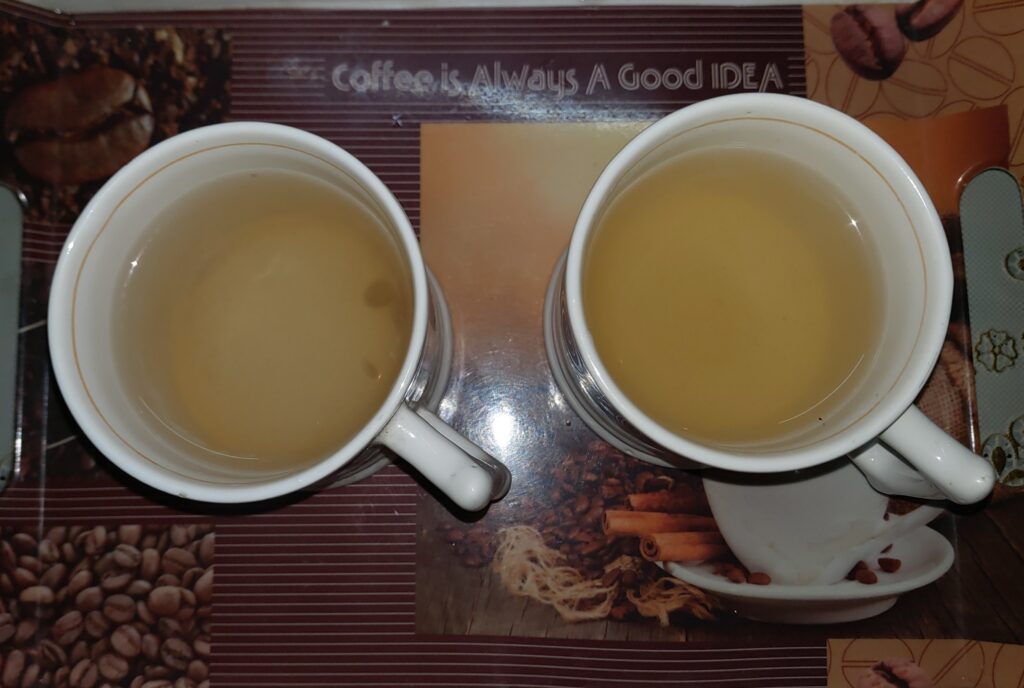
Makra Ghaas Soup (Digestive & Cooling Soup)
Ingredients:
Makra Ghaas, ½ cup (young green shoots, finely chopped); Moong dal, 2 tablespoons (washed); Onion, 1 small (finely chopped); Garlic, 2 cloves (crushed); Black pepper, ¼ teaspoon; Salt, to taste; Turmeric, a pinch; Water, 2 cups; Ghee or oil, 1 teaspoon; Lemon juice a few drops
Method:
In a pan, heat ghee/oil and sauté garlic and onion till light golden. Add turmeric, then moong dal and water. Let it boil. After 5 minutes, add chopped Makra Ghaas. Simmer until dal is cooked and greens are soft (around 15 minutes). Add salt, pepper, and lemon juice. Serve warm. Ideal for digestion, detox, and body cooling in summer.
Makra Ghaas Dosa (Nutritious Leaf Dosa)
Ingredients:
Makra Ghaas, ½ cup (tender leaves, finely chopped or blended); Rice, 1 cup (soaked for 4 hours); Urad dal, ¼ cup (soaked for 4 hours); Fenugreek seeds, ½ teaspoon; Salt, to taste; Oil or ghee for cooking.
Method:
Grind soaked rice, urad dal, and fenugreek seeds into a smooth batter. Mix in salt and let the batter ferment overnight. Just before making dosa, stir in finely chopped or ground Makra Ghaas. Heat a pan, pour a ladleful of batter and spread like regular dosa. Drizzle a few drops of oil or ghee and cook till golden. Serve hot with coconut chutney or herbal chutney.
Makra Ghaas Chilla (Nutritious Herbal Pancake)
Ingredients:
Makra Ghaas, ½ cup (tender leaves, finely chopped); Besan (gram flour), 1 cup; Onion, 1 medium (finely chopped); Green chili, 1 (finely chopped, optional); Ginger, 1 teaspoon (grated); Cumin seeds, ½ teaspoon; Turmeric powder, a pinch; Ajwain (carom seeds), ¼ teaspoon (optional for digestion); Salt, to taste; Water, as needed (to make batter); Oil or ghee for cooking
Method:
In a bowl, mix besan, turmeric, cumin, ajwain, salt, and water to make a smooth batter (not too thick or too runny). Add chopped Makra Ghaas, onion, green chili, and grated ginger. Mix well. Heat a tawa or flat pan and grease lightly. Pour a ladle of batter and spread into a thin circle like a pancake. Drizzle oil or ghee on sides and cook on medium flame till golden brown on both sides. Serve hot with mint chutney, curd, or pickle. This Makra Ghaas chilla is great for breakfast or a light dinner rich in fiber, minerals, and cooling in nature.
Makra Ghaas Seed Gruel
A nourishing, easy-to-digest recipe traditionally used during recovery, fasting, or post-childbirth in rural Himalayan regions.
Ingredients:
Makra Ghaas seeds, ½ cup; Water, 2 to 2½ cups; Jaggery (for sweet version) or rock salt (for savory version) to taste; Desi ghee (clarified butter), 1 tsp (optional); Cardamom (for sweet) or cumin (for savory) a pinch
Method:
Clean and lightly roast the seeds on a low flame until a pleasant nutty aroma is released. Grind coarsely using a grinder or traditional stone grinder (it should not be a fine powder). Boil water in a pot and slowly add the ground seeds, stirring continuously to avoid lumps. Let the mixture simmer on low flame for 10–15 minutes until it thickens to a porridge-like consistency. Add jaggery for a sweet version, or salt and cumin for a savory one. Stir in a spoonful of ghee before serving for better taste and added energy.
Nutritional value:
100g of plant. contains moisture: 10–12 g, protein: 10–12 g, fat: 2–3 g, carbohydrates: 60–70 g, fiber: 5–7 g, and ash: 2–3 g. Mineral content includes Ca: 30–40 mg, P: 200–300 mg, K: 1000–1200 mg, Na: 10–20 mg, Mg: 100–150 mg, Fe: 5–10 mg, Zn: 2–5 mg, Cu: 1–2 mg, and Mn: 1–2 mg. Vitamin profile includes Vit A: 10–20 μg, Vit B1: 0.5–1.0 mg, Vit B2: 0.2–0.5 mg, Vit B3: 2–5 mg, Vit B5: 1–2 mg, Vit B6: 0.5–1.0 mg, Vit C: 10–20 mg, Vit E: 1–2 mg, and Vit K: 10–20 μg. Essential amino acids present are Histidine: 2–3 g, Isoleucine: 3–4 g, Leucine: 6–8 g, Lysine: 4–5 g, Methionine: 2–3 g, Phenylalanine: 4–5 g, Threonine: 3–4 g, Tryptophan: 1–2 g, and Valine: 4–5 g. Non-essential amino acids include Alanine: 4–5 g, Arginine: 4–5 g, Aspartic acid: 6–8 g, Cysteine: 2–3 g, Glutamic acid: 10–12 g, Glycine: 3–4 g, Proline: 4–5 g, Serine: 4–5 g, and Tyrosine: 2–3 g. Other bioactive compounds include Phytates: 1–2 g, Oxalates: 1–2 g, Saponins: 1–2 g, and Tannins: 1–2 g 4.
Seek Professional advice before treating this plant medicinally.
Medicinal Uses:
In the Western Himalayas, the whole plant particularly the root is valued in traditional medicine for its anthelmintic, astringent, depurative, diuretic, febrifuge, laxative and sudorific properties 5. In local postpartum care, a boiled mixture of the plant and black sage is used in sitz baths for fever, colds, malaria and postnatal cleansing6. The fresh leaf juice is prescribed to expel intestinal worms and support recovery after childbirth. Decoctions made from the leaves help to treat skin rashes and those from the roots are used against fevers and asthma 7.
Spiritual Use:
Makra Ghaas, holds not only nutritional and medicinal value but also deep spiritual significance in various traditional cultures, particularly across parts of Africa and Asia. In some African communities, it is revered as a sacred plant used in rituals and ceremonies to communicate with ancestral spirits and divine energies. Its spiritual role extends to protection rituals, where it is believed to ward off evil forces and negative vibrations. The plant is often used in purification ceremonies to cleanse the body and soul, restoring balance and harmony 8,9. Though its ritual use is less documented compared to African traditions, elders in remote Himalayan villages recognize its presence in cleansing and seasonal transition rituals. The plant is occasionally used during local harvest celebrations, where wild greens like Makra Ghaas are offered to deities or ancestral spirits as a token of gratitude for the earth’s bounty. In folk healing practices, it is sometimes included in purification routines, particularly during the monsoon season, to cleanse both the body and surroundings of negative energies and seasonal illnesses. Some traditional healers and spiritual practitioners in these regions also use dried leaves of Makra Ghaas in smoke rituals to ward off evil spirits or to sanctify spaces before religious observances. While such practices may not be widely recorded in formal ethnobotanical literature, oral traditions and local belief systems in the mid-hill and foothill regions reflect a continued, though understated, reverence for this humble yet spiritually significant wild plant. This highlights the need to further document and preserve the intangible cultural heritage associated with lesser-known Himalayan plants like Makra Ghaas.
Other Uses:
Entire plant serves as a valuable fodder crop for livestock such as cattle, sheep, and goats, contributing to sustainable animal husbandry. Acts as a soil cover to prevent erosion. Can be mulched or composted to improve soil fertility in natural farming practices.
Reference:
- Zakri, Zikry Hamizan Md, et al (2021). “Eleusine indica for Food and Medicine.” Journal of Agrobiotechnology 12.2 68-87
- Oudhia, P. (2001).”Traditional knowledge about medicinal weeds in Chhattisgarh, India.”Mentions E. indica being used in local traditional food preparations and herbal formulations
- Grubben, G.J.H. & Denton, O.A. (2004).Plant Resources of Tropical Africa 2: Vegetables. Imam, M., Murtaja Alam Khan, A., Suyal, M., Zahiruddin, S., Jain, V., Ahmad, S., & Chandra, K. (2025). Characterization of Amino Acid Composition, Nutritional Value, and Glycemic Index Study of Eleusine coracana Grains: A Functional Food for Diabetes Management. Journal of Food Quality, 2025(1), 7758886.
- Sani, I. et al. (2022).“In vitro anthelmintic activity of Eleusine indica leaf extract.”BMC Complementary Medicine and Therapies. Supports traditional use for intestinal worms.
- Jahan, F. I., Anik, A. H., & Akter, S. (2025). Exploring the therapeutic potential of Eleusine indica plant: promising antioxidant and analgesic activity with lack of antimicrobial and thrombolytic activity. Journal of Applied Pharmaceutical Research, 13(2), 86-94.
- Ettebong, E. O., Ubulom, P. M., & Obot, D. (2020). A Systematic review on Eleucine indica (L.) Gaertn.: From ethnomedicinal uses to pharmacological activities. Journal of Medicinal Plants Studies, 8(4), 262-274.
- Burkill, H.M. (1985). Royal Botanic Gardens, Kew. The Useful Plants of West Tropical Africa, 2nd ed., Vol. 2, pp. 211–213.
- Iwu, M.M. (1993). Chelsea Green Publishing, New York. Healing Plants of the World, pp. 145–147.
I don’t ordinarily comment but I gotta say appreciate it for the post on this amazing one : D.
Whats up are using WordPress for your site platform? I’m new to the blog world but I’m trying to get started and create my own. Do you require any html coding expertise to make your own blog? Any help would be really appreciated!
Good site! I truly love how it is simple on my eyes and the data are well written. I am wondering how I could be notified whenever a new post has been made. I have subscribed to your RSS feed which must do the trick! Have a nice day!
I’m typically to blogging and i actually recognize your content. The article has really peaks my interest. I’m going to bookmark your web site and maintain checking for brand new information.